Home Design: A Simple Guide to Planning a Home You’ll Love

Hi, I’m Stefano Schiavon. I’m an architect, professor, and researcher. I’ve spent my career studying how spaces affect the way people live and feel. Over at urbansfreaks, I share what I’ve learned from real projects, so you can plan a home that actually works for you.
Home design is not just about looks. It’s about how a space feels, flows, and fits your daily life. In this guide, I’ll walk you through the real basics, from layout to style to the tools you can use for free. No jargon, just what works.
What Is Home Design?
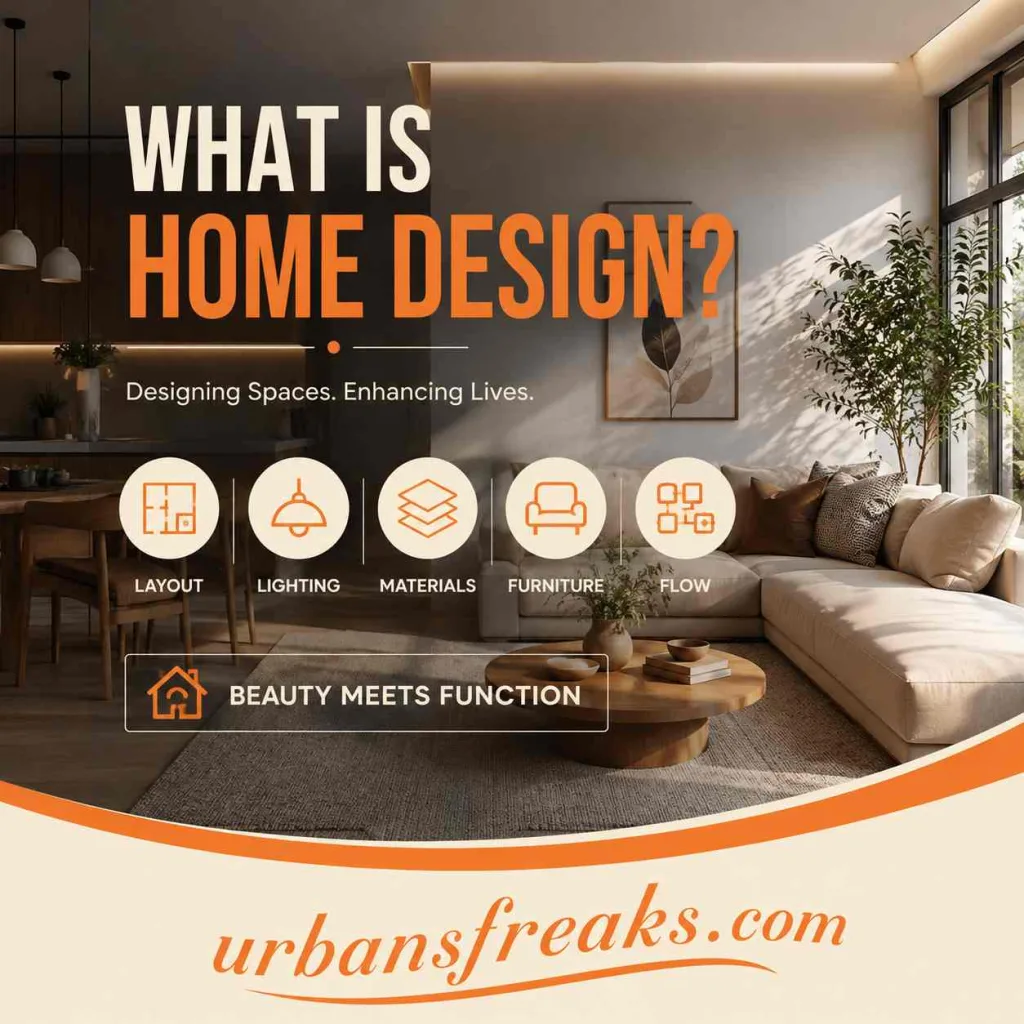
Home design is the process of planning how a house looks, feels, and functions. It covers layout, lighting, materials, furniture, and flow between rooms. Good home design balances beauty with everyday comfort. It’s not only for architects. Anyone building, renovating, or refreshing a space is doing home design, whether they know the term or not.
The Core Elements of Good Home Design
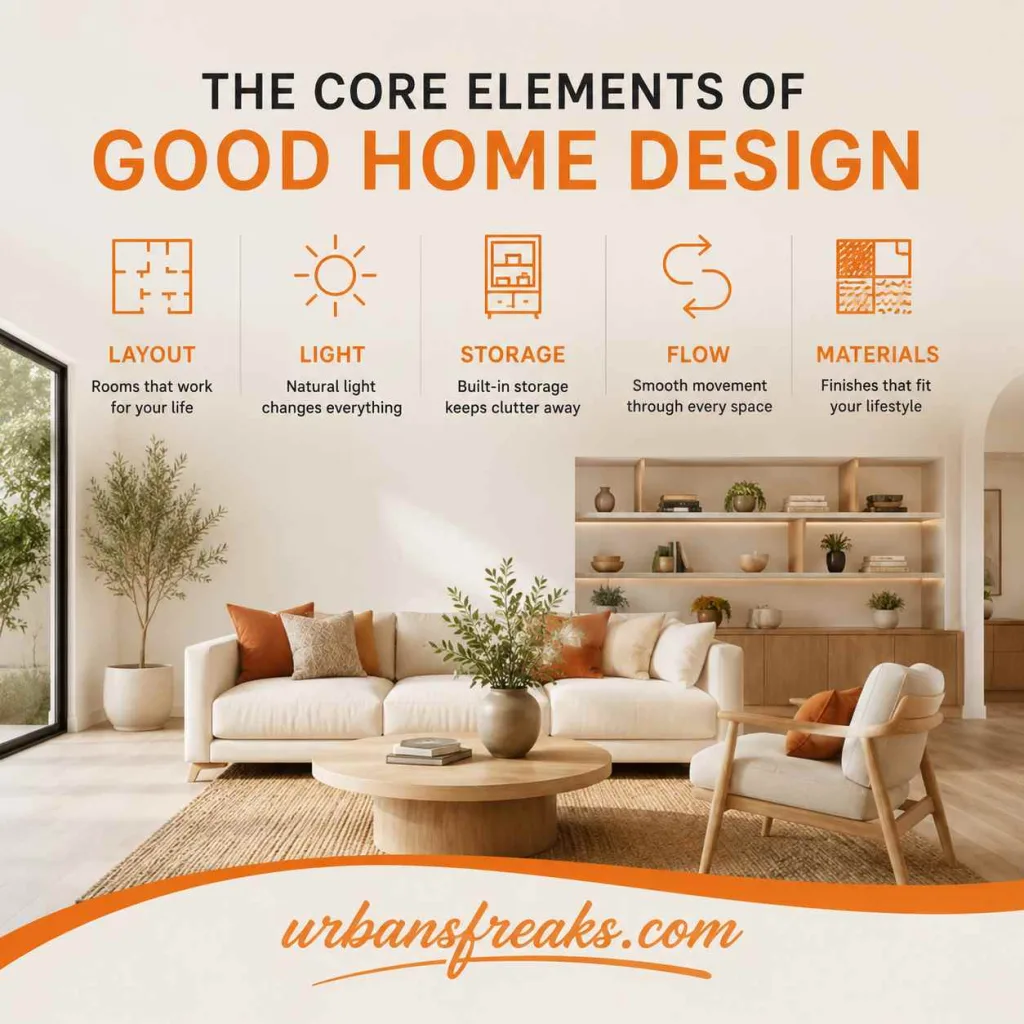
Every strong home design comes back to a few basics. Get these right, and the rest falls into place.
- Layout: Rooms should connect in a way that matches how you actually move through your day.
- Light: Natural light changes how a room feels. Window placement matters more than people think.
- Storage: Plan storage from day one. Built-in shelves and hidden cabinets keep clutter away.
- Flow: Walk through the space in your mind before you finalize anything.
- Materials: Choose finishes that suit your climate and your lifestyle, not just a trend.
How to Start Your Project
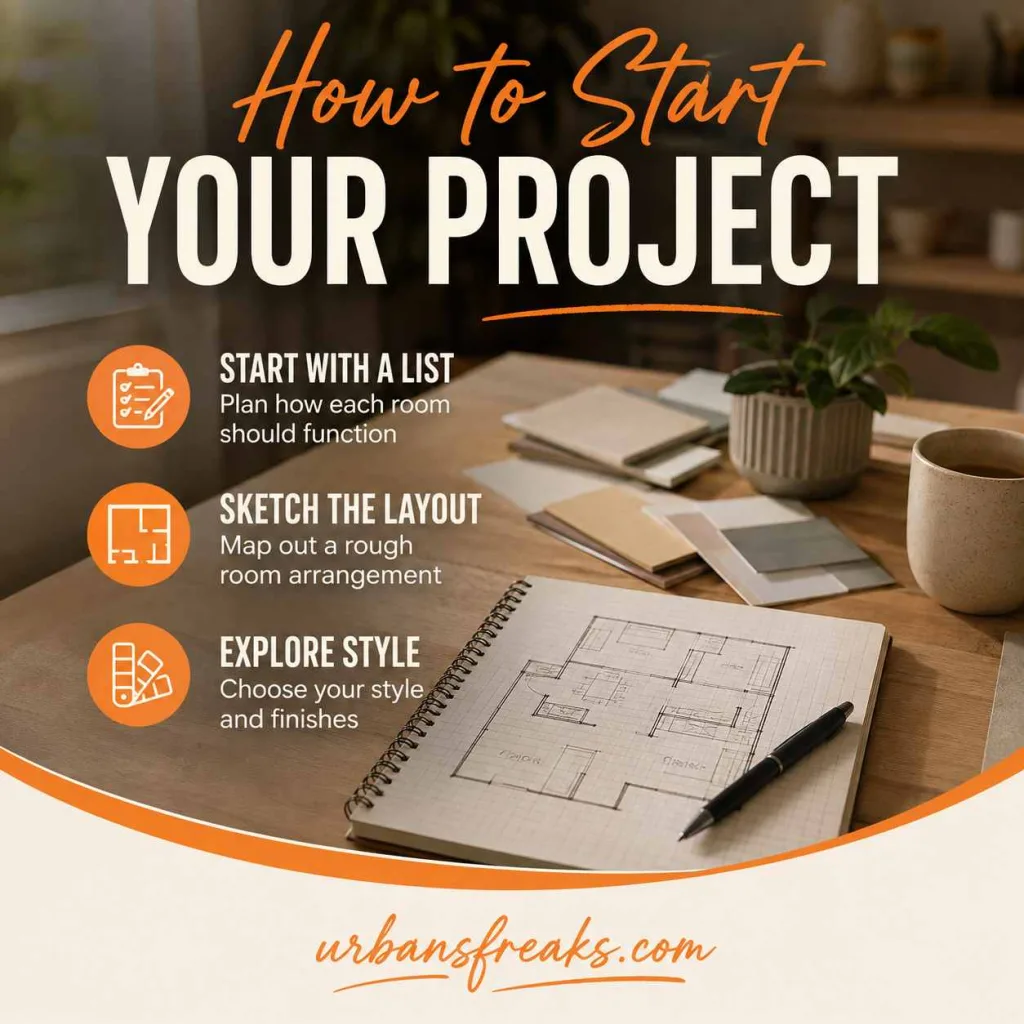
Start with a list, not a mood board. Write down how each room should function before you look at any style photos. This keeps decisions grounded in real life instead of trends. Once your list is clear, sketch a rough layout, then move on to style and finishes.
Popular Home Design Styles
Style is personal, but knowing your options helps you choose faster. Here are the styles I see most often in new home design projects today.
| Style | Best For | Key Features |
|---|---|---|
| Modern | Clean, minimal living | Open layouts, neutral tones, large windows |
| Traditional | Classic, timeless feel | Symmetry, detailed trim, warm colors |
| Farmhouse | Cozy, family homes | Wood beams, shiplap, mixed textures |
| Contemporary | Current trends | Curved lines, mixed materials, bold accents |
| Minimalist | Small spaces | Few pieces, function first, calm palette |
Modern home design keeps showing up in client requests because it ages well and suits smaller lots. But the best style is the one that fits how you actually live, not just what’s trending.
Trends Worth Knowing
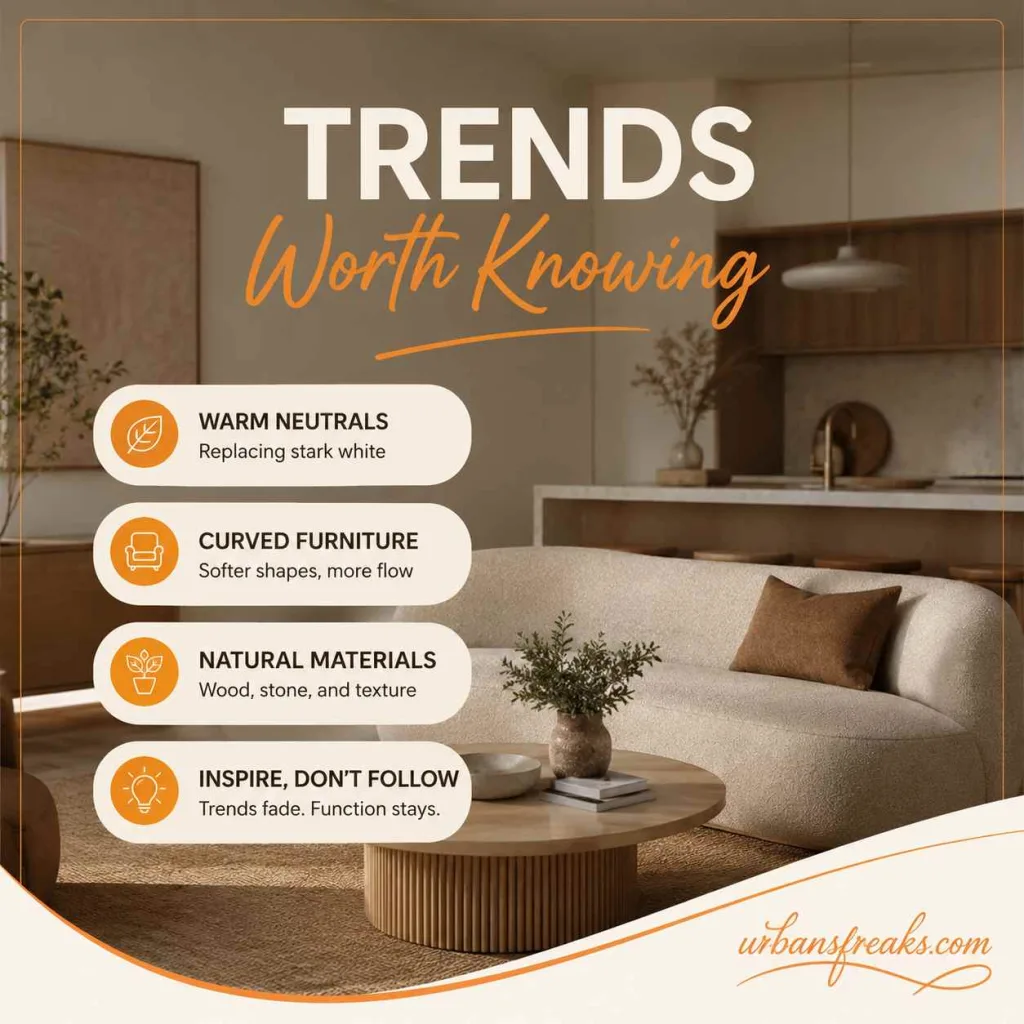
Trends shift, but a few are holding steady right now. Warm neutrals are replacing stark white walls. Curved furniture is showing up more in living rooms. Natural materials like wood and stone are back in kitchens and bathrooms. Use trends as inspiration, not a rulebook. A trend fades. Good function doesn’t.
Interior Home Design: Room by Room
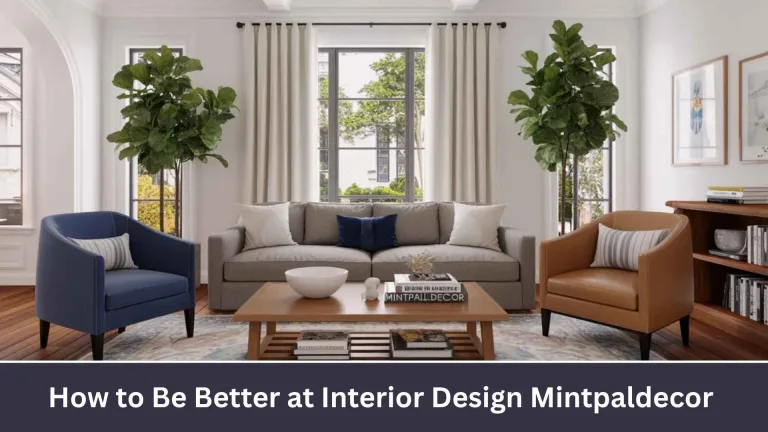
Interior home design is where the details live. Each room has its own rules.
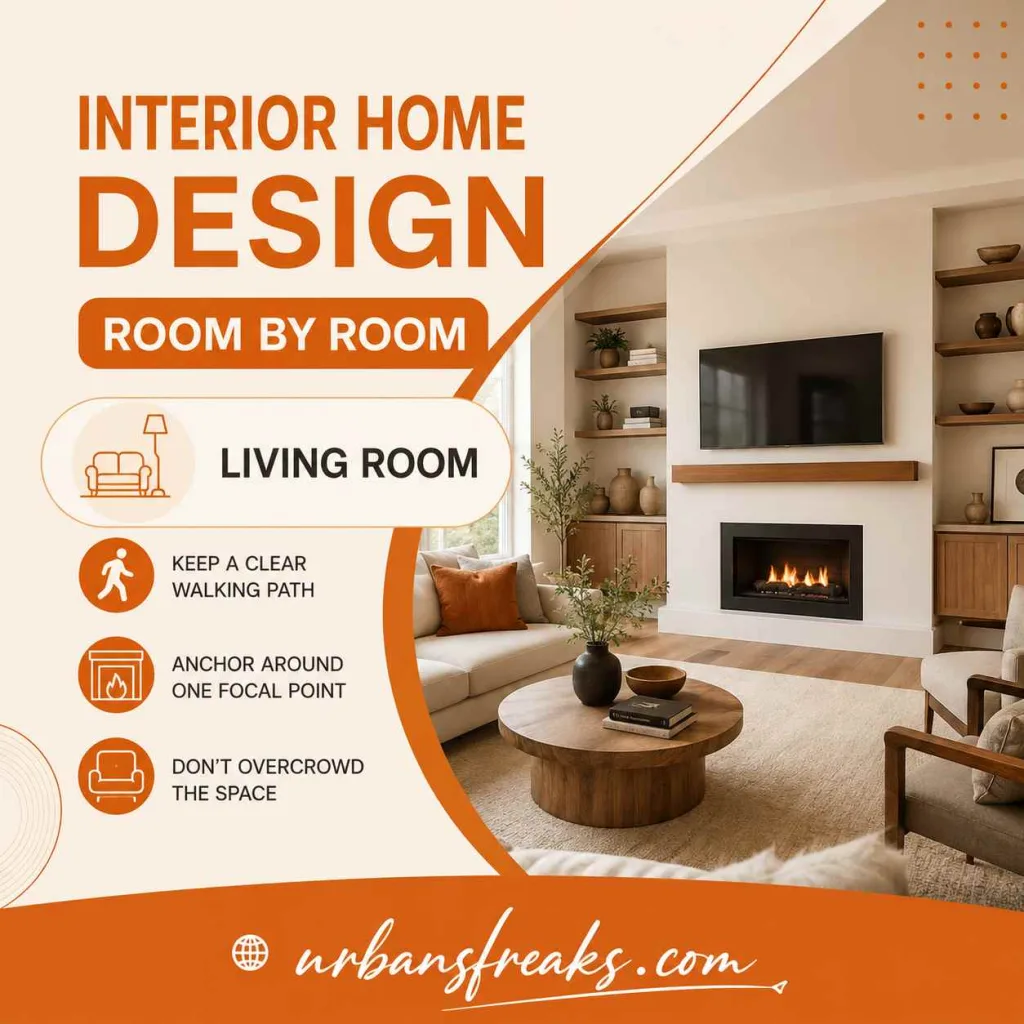
Living Room
Keep a clear walking path. Anchor the space around one focal point, like a window or fireplace. Don’t overcrowd it with furniture.
Kitchen
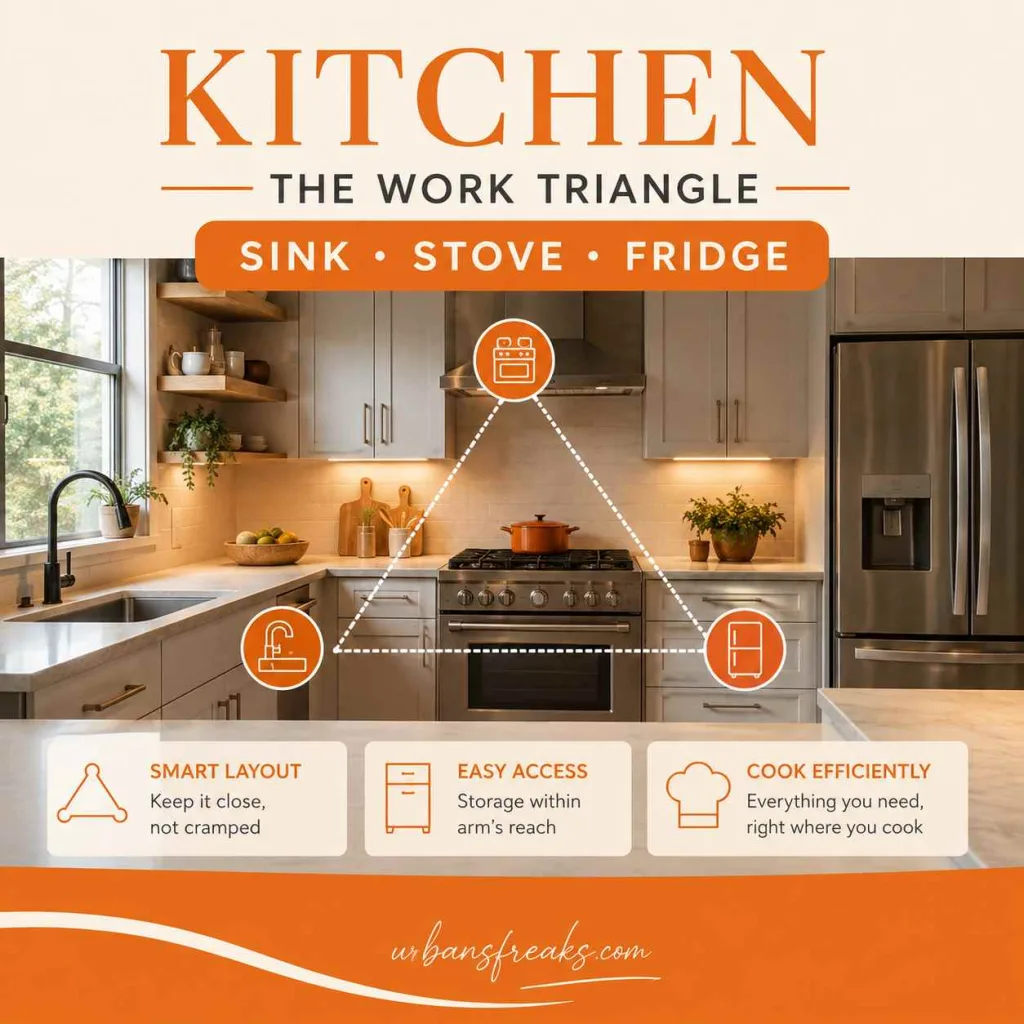
Think in a triangle: sink, stove, and fridge should be close but not cramped. Storage should be within arm’s reach of where you cook.
Bedroom
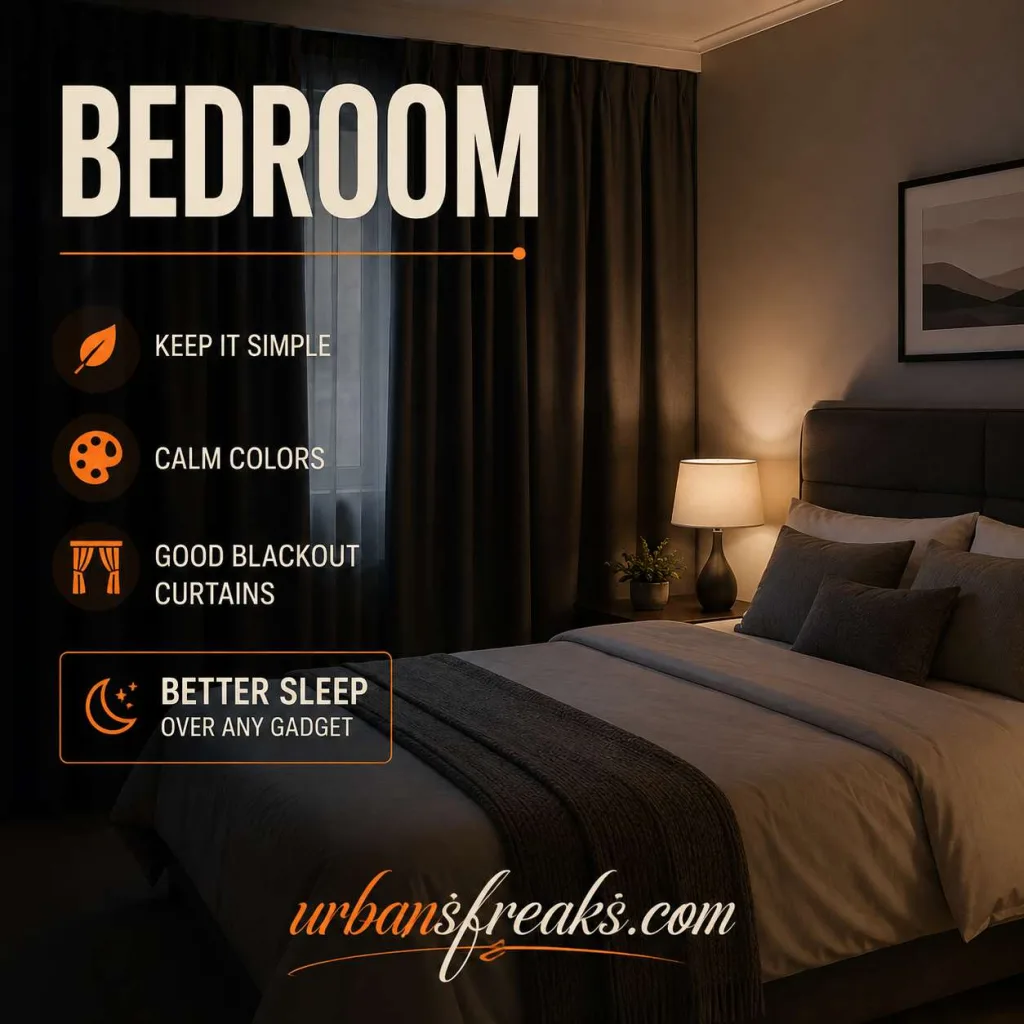
Keep it simple. A calm color palette and good blackout curtains do more for sleep than any gadget.
Bathroom
Ventilation matters as much as style. Poor airflow leads to mold and damage over time, no matter how nice the tile looks.

Elevation Home Design: Don’t Skip the Exterior
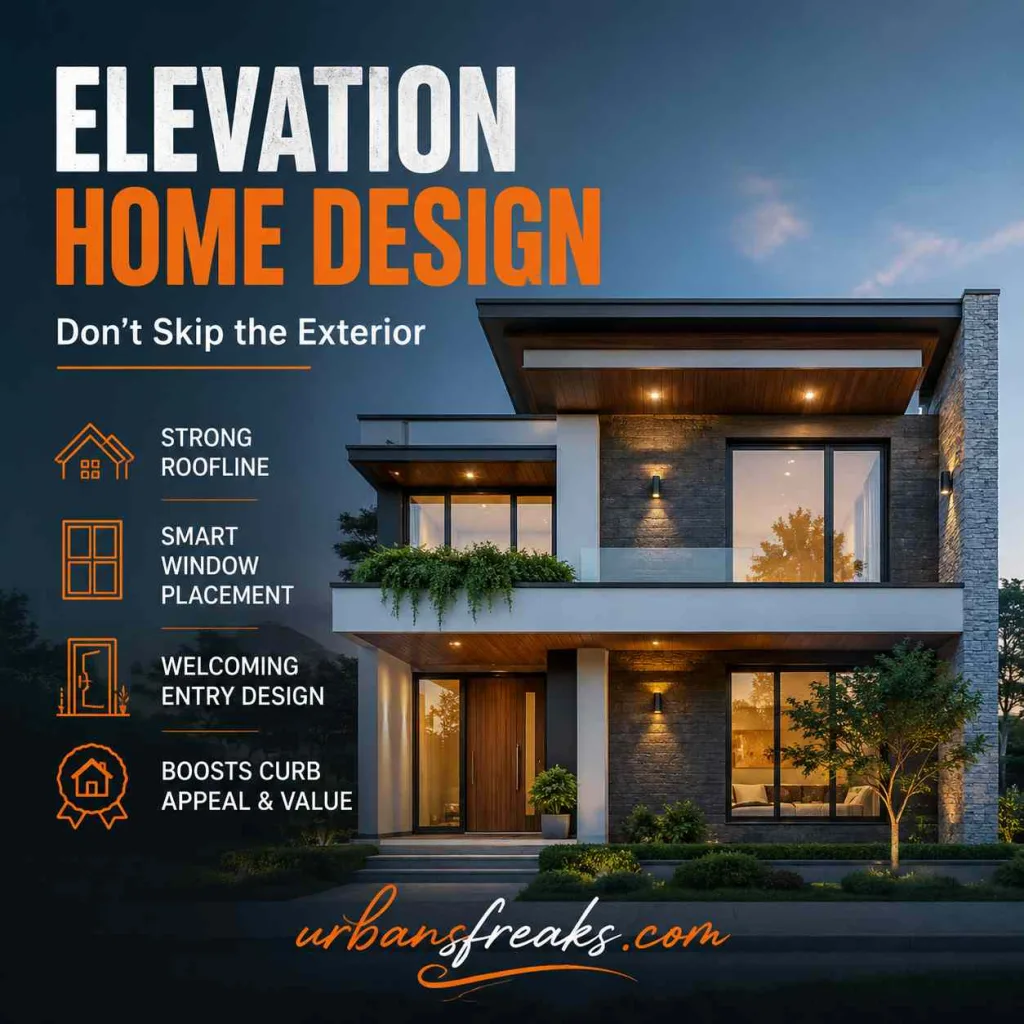
Elevation home design is the front-facing view of your house. It sets the first impression before anyone walks in. Roofline, window placement, and entry design all shape how the home reads from the street. A strong elevation also affects resale value, so it’s worth getting right early, not fixing later.
Tips for Small Spaces
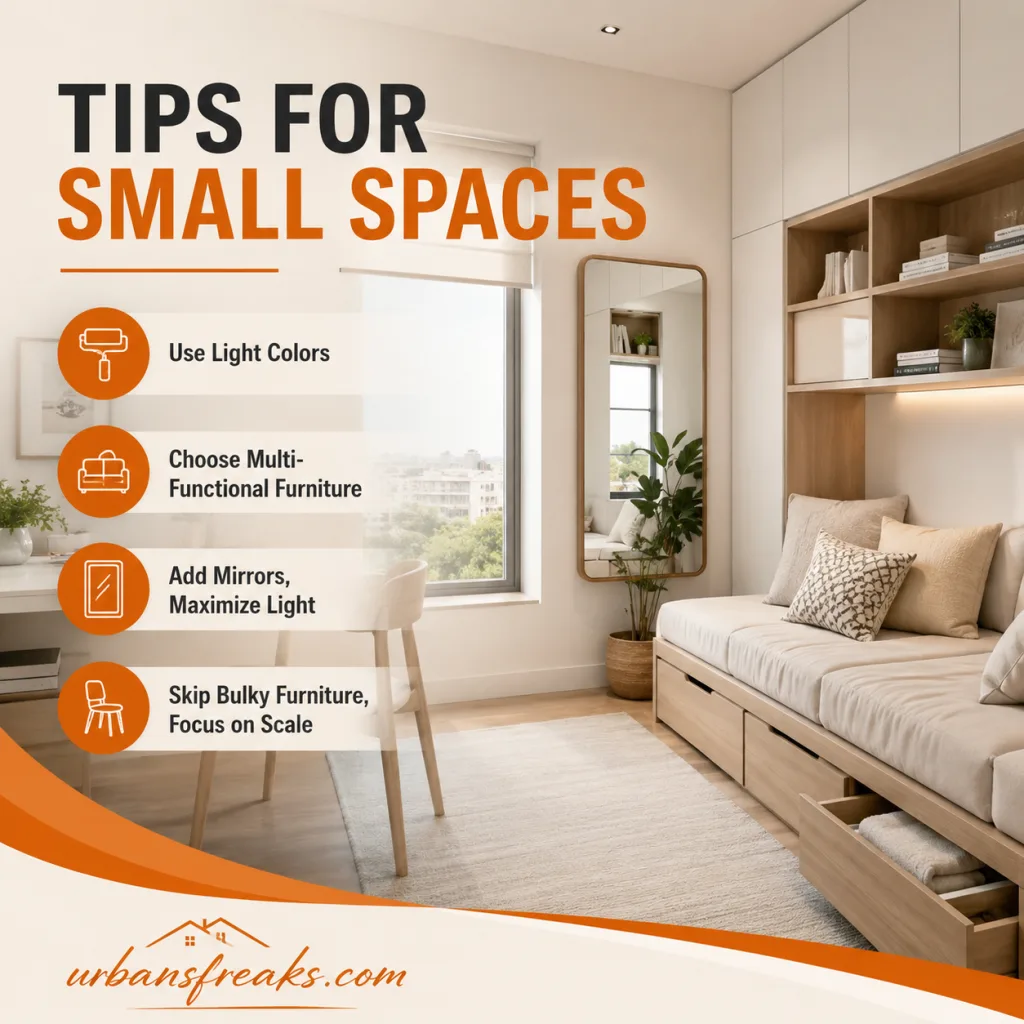
Small doesn’t mean cramped. Use light colors to open up a room visually. Choose furniture that serves two purposes, like a bed with storage underneath. Mirrors placed across from windows bounce light around and make a room feel bigger than it is. Skip bulky furniture. Scale matters more in small rooms than anywhere else.
Free Home Design Tools You Can Use Today
You don’t need a big budget to start. Several free home design tools let you test layouts before committing to anything.
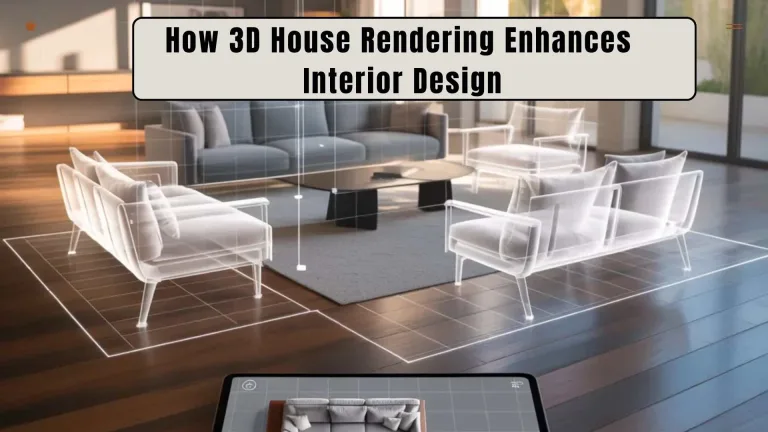
- 3D home design online free tools: Planner5D lets you drag and drop furniture and see your space in 3D without paying upfront.
- AI home design free tools: Newer apps can generate layout ideas or style boards from a simple description or photo.
- Pinterest and Houzz: Not tools exactly, but great for collecting real photos that match your taste before you start planning.
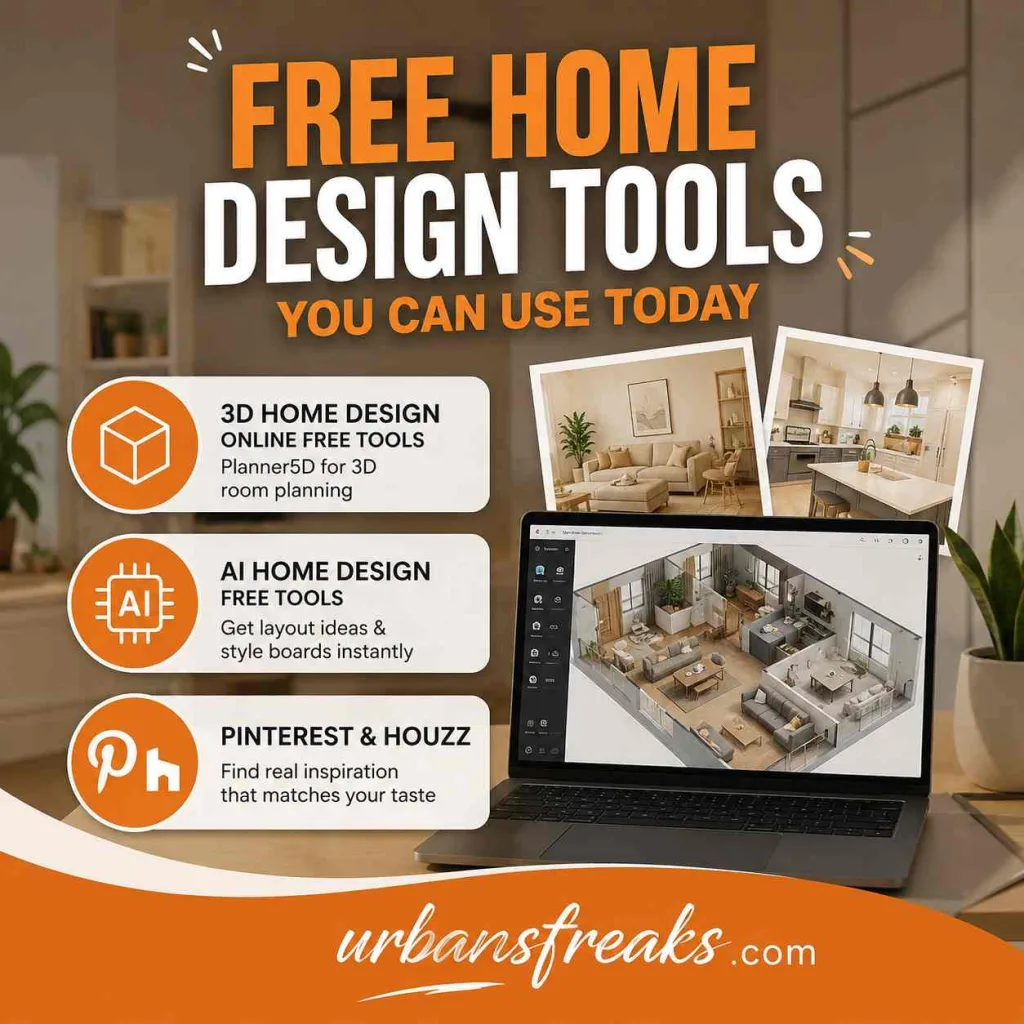
These tools won’t replace a professional for structural work, but they’re a smart way to explore ideas first.
Budgeting Tips That Actually Help
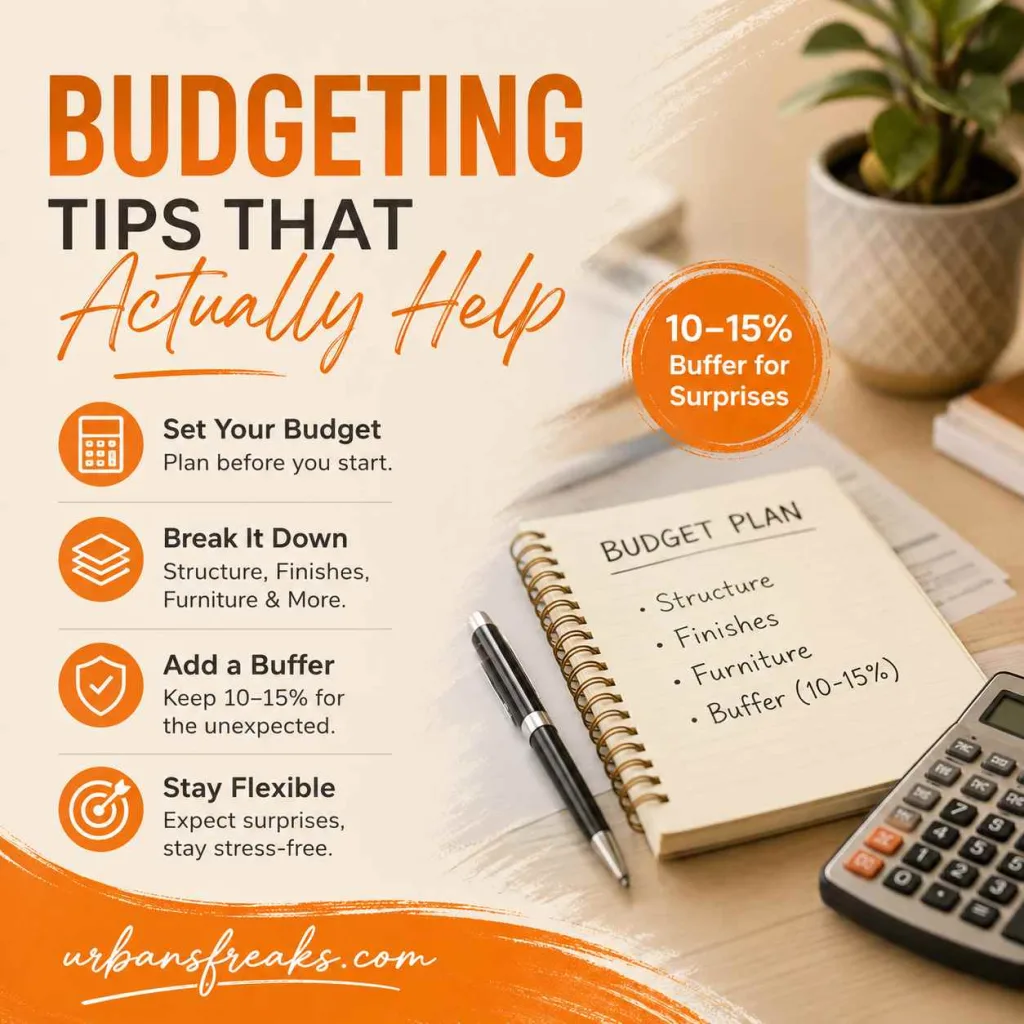
Set your budget before you fall in love with anything. Break it into rough categories: structure, finishes, furniture, and a buffer for surprises. Always keep 10 to 15 percent aside for the unexpected. Homes rarely go exactly to plan, and a buffer keeps small surprises from becoming big stress.
Common Home Design Mistakes to Avoid
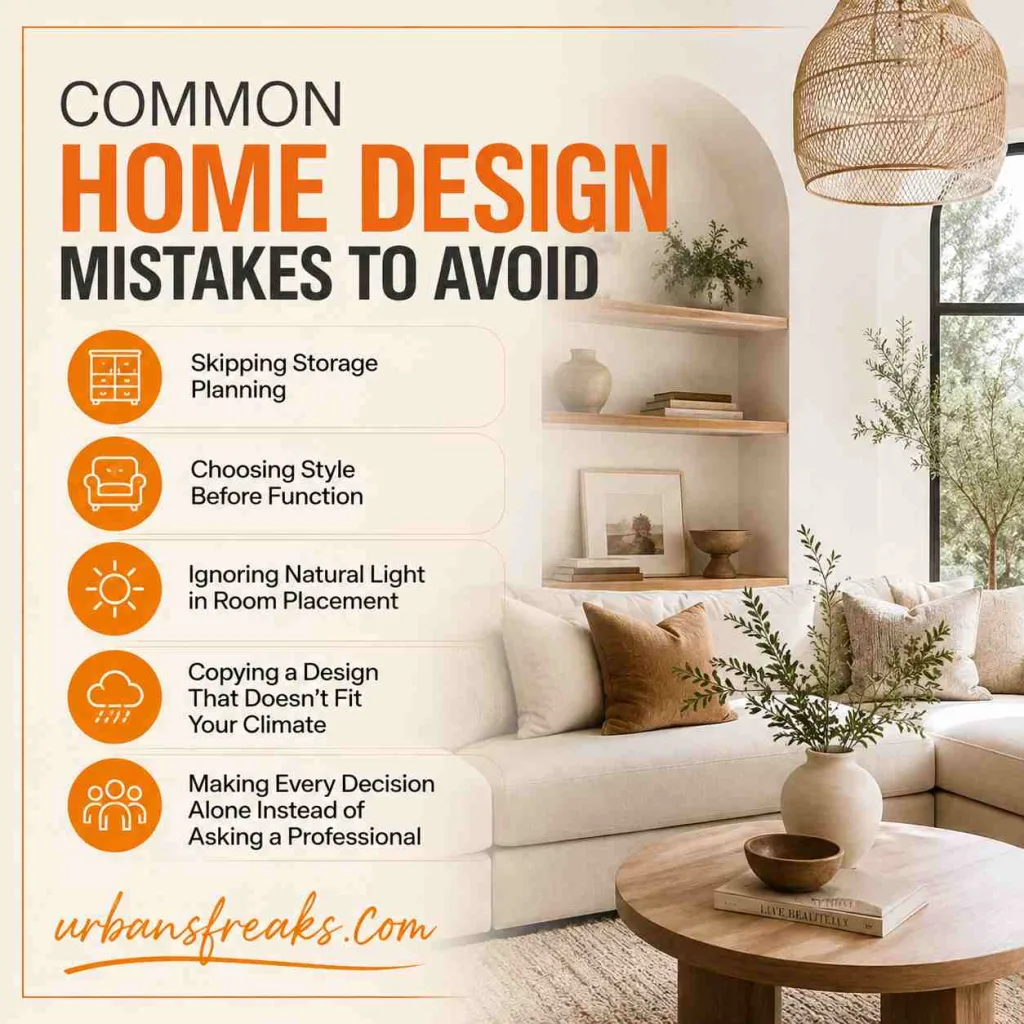
- Skipping storage planning until the end
- Choosing style before function
- Ignoring natural light in room placement
- Copying a design that doesn’t fit your climate
- Making every decision alone instead of asking a professional
Small mistakes early on tend to get expensive later. It’s cheaper to fix a plan than a finished wall.
When to Bring in a Professional
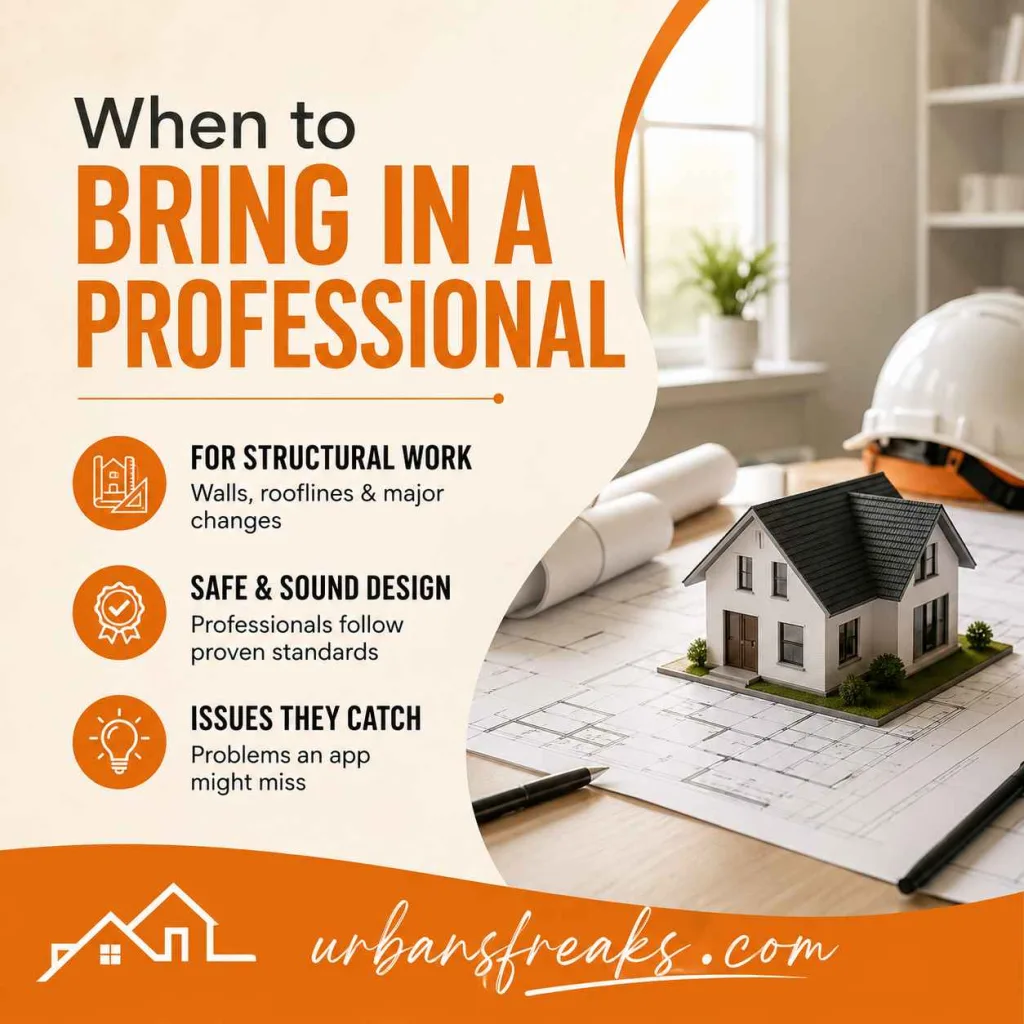
DIY tools are great for early ideas. But for anything structural, like moving walls or changing rooflines, work with a licensed architect. Groups like the American Institute of Architects set clear standards for safe, sound design, and a professional can catch issues a free app simply won’t. For decor-focused inspiration and product picks, our Home Decor section is a good next stop.
Final Thoughts
Good home design comes down to a few honest questions: How do you live? What do you need daily? What makes a room feel calm to you? Answer those first, then let style and tools follow. That order rarely fails.
FAQs about Home Design
What is the difference between home design and interior design?
Home design covers the whole structure, layout, and exterior. Interior design focuses only on the inside spaces and finishes.
Can I do home design without an architect?
For small updates, yes. For structural changes, you need a licensed professional for safety and permits.
What’s the best free tool for home design?
Planner5D is a solid starting point for 3D home design online free, especially for testing layouts before you build.
How much does professional home design cost?
It varies by project size and location, but most architects charge based on square footage or a flat design fee. Get a few quotes before deciding.
Is modern home design more expensive than traditional?
Not always. Clean, minimal layouts can actually cost less because they use fewer materials and details.