Are you finding damp spots, musty smells, or black patches on your walls?
Mold is a fungus that grows where there is moisture and can release spores into the air.
This guide will show you how to spot mold, clean small patches, fix leaks, and stop future growth.
Read on to protect your home and health.
Common Signs of Mold in Your Home
Mold can show up in many ways. You might smell musty odors or see dark spots on your walls.
Musty odors
A musty odor often signals hidden fungal growth. Fungi release spores that cause that damp smell and harm air quality.
You may notice the scent near basements, crawl spaces, or behind walls where moisture collects. Inspect for discoloration, dampness, or water damage and test to prevent contamination and health risks.
Visible mold growth
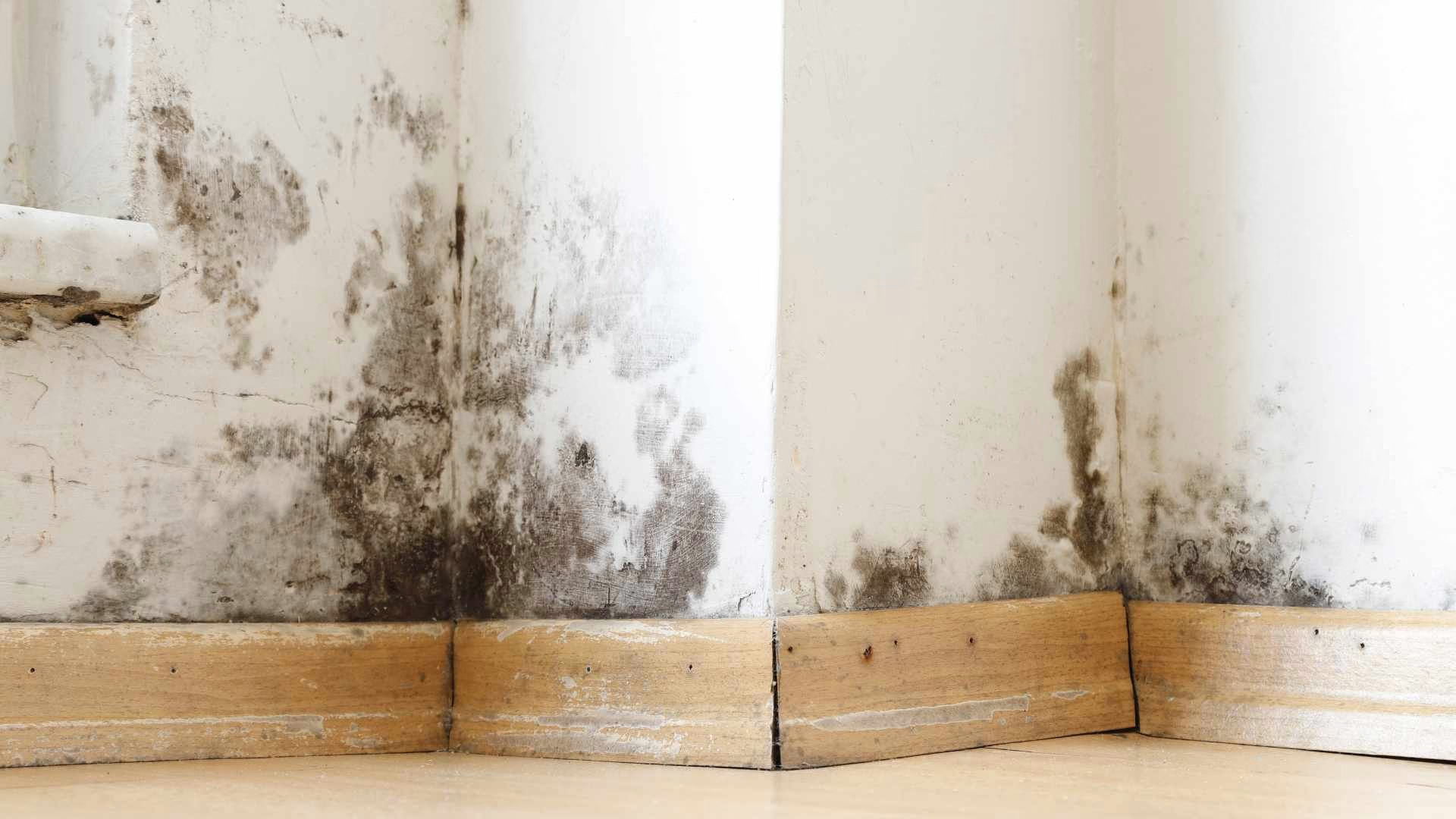
Dark spots appear on walls or ceilings. These spots may show black, green, or white discoloration. Mold often grows near moisture sources like leaks or condensation. Spores spread through the air and can cause health risks.
Inspect corners, baseboards, and behind appliances during a home inspection. Use gloves and a mask before touching visible fungi to avoid contamination. Small patches you can clean with proper solutions, and larger areas need professional remediation.
Persistent allergies or respiratory issues
Visible mold growth often coincides with health effects indoors. People report persistent allergies, coughing, and wheezing from spores and fungal growth. Dampness and moisture fuel contamination of walls, ceilings, and HVAC systems.
Poor air quality raises health risks for children and seniors. Mold detection and inspection can link symptoms to specific sources. If symptoms persist, hire a professional for remediation and a thorough inspection.
Causes of Mold Growth
Mold grows when humidity levels are high. Water leaks and poor air flow also create a perfect place for mold to thrive.
High humidity levels
High humidity levels can cause mold growth in your home. When the air is damp, it creates a perfect environment for spores to thrive. These spores float around and settle on surfaces.
Areas with poor ventilation can trap moisture, making the problem worse.
Controlling indoor humidity is key to preventing mold. A dehumidifier helps reduce moisture in the air. Keep windows open when possible to promote airflow. The next heading will cover water leaks and condensation as additional causes of mold growth.
Water leaks and condensation
High humidity can lead to water leaks and condensation in your home. Water leaks often come from pipes, roofs, or windows. They create damp spots that mold loves. Condensation forms when warm air meets cold surfaces, like walls or windows.
It can happen in kitchens and bathrooms where steam builds up.
Both problems cause moisture build-up. This leads to mold growth if not fixed quickly. Check for stains on ceilings or walls; these are signs of leaks. Use a dehumidifier to reduce moisture levels in the air and prevent condensation from forming because it may cause health risks over time due to fungi spores spreading through your home atmosphere.
Poor ventilation
Poor ventilation allows moisture to build up inside your home. This dampness creates a perfect place for mold to grow. Areas like bathrooms, attics, and basements are especially vulnerable.
Stale air traps humidity and makes it hard for spaces to dry out.
Improving airflow can help control humidity levels. Open windows when possible, use exhaust fans in kitchens and bathrooms, or install vents in key areas. These simple steps can lower the risk of mold problems in your home.
With better ventilation, keeping mold at bay becomes easier. Next comes how to identify mold problems effectively.
How to Identify Mold Problems
To identify mold problems, inspect visible areas and check hidden spots like crawl spaces and behind walls. You can also use mold testing kits for help. Knowing these steps is key to keeping your home safe.
Read on to learn more about addressing mold issues.
Inspecting visible areas
Check areas where moisture might collect. Look around windows, doors, and pipes. Inspect the ceiling for water stains or discoloration. Walls may also show signs of mold. Check bathrooms and kitchens carefully since they are often damp.
Look for any musty odors in these visible places. Mold can hide behind furniture or appliances too. Be thorough in your search to catch problems early on before they grow worse. Next, check hidden spaces like crawl spaces and behind walls for more issues related to mold growth.
Checking hidden spaces like crawl spaces and behind walls
Crawl spaces and areas behind walls can hide mold. These places often trap moisture, creating a perfect home for fungi. Look for signs like discoloration or dampness in these spots.
Moisture can seep through cracks or leaks, making it hard to spot the problem. Use a flashlight to inspect dark corners and check for any musty odors.
Don’t ignore these hidden spaces during your inspection. Mold spores can spread quickly if not found early. Identifying mold issues in hard-to-see areas is crucial for keeping air quality good at home.
Next, learn how to clean up small mold patches safely and effectively.
Using mold testing kits
Mold testing kits help find hidden mold in your home. These kits are easy to use and can be bought online or in stores. Most kits include a collection device to gather samples from air or surfaces.
After collecting the samples, you send them to a lab for analysis.
Using these kits lets you detect fungi and their spores. This helps identify areas with contamination issues. Mold can pose health risks, so finding it early is important. Testing provides a clear picture of indoor air quality and moisture levels in your space.
Addressing Mold Problems
Cleaning small patches of mold is easy with the right solutions. Fixing leaks and improving airflow can stop mold from returning.
Cleaning small mold patches with appropriate solutions
Use a clean cloth to wipe away small mold patches. Mix one cup of water with a few drops of dish soap or vinegar for the solution. Apply it directly on the mold spots. Scrub gently until the mold comes off.
Rinse the area with clean water afterwards.
Make sure to wear gloves and a mask during cleanup. This will help protect you from any health risks linked to mold exposure. After cleaning, dry the area well to prevent future growth.
Keeping humidity levels low can also help stop molds from returning.
Repairing leaks and improving ventilation
For effective results, consider hiring professionals for mold remediation in NYC to ensure thorough removal and prevention.
Leaks cause water damage. They create damp areas that mold loves. Fix any leaks you find. Check pipes, roofs, and windows regularly. Early repair stops mold growth before it starts.
Good ventilation helps keep air moving in your home. Open windows when possible to let fresh air in. Use exhaust fans in kitchens and bathrooms to reduce moisture levels. Keeping the air dry can prevent further fungal growth and health risks from mold exposure.
The next step is addressing how to clean small patches of mold effectively.
Removing and replacing mold-damaged materials
Remove any materials that mold has damaged. This includes drywall, carpeting, and insulation. Cut out the affected areas using a sharp utility knife. Make sure to wear gloves and a mask for protection.
Seal the removed items in plastic bags before disposal. Replace them with new materials that are mold-resistant when possible. Ensure that all new materials are dry and clean to prevent future growth of fungi.
Proper inspection helps identify any hidden areas still at risk. Following this step leads us to discuss when it might be necessary to call a professional for help with extensive mold issues in your home.
When to Call a Professional
If you see a lot of mold, call an expert right away. They can help with tough spots and areas like HVAC systems or walls.
Extensive mold growth
Extensive mold growth can lead to serious problems in your home. Large colonies of mold can spread quickly and affect air quality. Mold spores can become airborne, causing health risks.
People may experience allergies, asthma attacks, or other respiratory issues due to long-term exposure.
Addressing extensive mold requires special care. Cleaning small patches at home may not be enough. A professional inspection might be necessary to ensure safety and proper remediation for larger infestations.
Mold in HVAC systems or structural components needs expert help to avoid further contamination and damage.
Mold in HVAC systems or structural components
Mold can grow in HVAC systems and structural parts of your home. It thrives in warm and damp areas. Poor ventilation often makes this worse. When these systems run, they can spread mold spores into the air.
This can harm air quality and affect health.
Inspect ducts, filters, and coils regularly for signs of mold. Look for discoloration or a musty smell. Address any water leaks quickly to prevent dampness. If you find extensive growth, call a professional to handle it safely.
They have the tools needed for proper remediation in hard-to-reach places like walls or ceilings.
Preventing Mold in Your Home
To stop mold, control the humidity in your home. Keep areas dry and well-ventilated to reduce moisture.
Controlling indoor humidity
Controlling indoor humidity is key to preventing mold. Keep levels between 30% and 50%. Use a dehumidifier in damp areas like basements or bathrooms. Open windows when the weather is dry to let fresh air flow in.
Fix any leaks right away. Repair dripping faucets, leaking roofs, or pipes. Use exhaust fans while cooking or showering to reduce moisture buildup too. These steps can help improve air quality and limit fungal growth in your home.
Regular maintenance and inspections
Regular maintenance helps keep your home free from mold. Check areas like bathrooms, kitchens, and basements often. Look for leaks or dampness in these spaces. Inspect walls and ceilings for discoloration or peeling paint.
Inspect hidden areas too, such as attics and crawl spaces. Make sure to check vents and ducts for moisture buildup. Clean gutters regularly to avoid water damage on roofs and walls.
Regular inspections can catch problems early. This saves you time and money later on when addressing larger issues of mold growth in your home.
Promptly addressing water damage
Water damage can lead to mold growth fast. It only takes a few days for mold to form in damp areas. Fix leaks right away. Use fans and dehumidifiers to dry out spaces quickly. Check hidden spots like basements or behind walls for moisture.
Mold thrives in high humidity. Keep indoor humidity below 60%. Inspect your home often, especially after heavy rain or plumbing issues. Treat any water damage immediately, as this prevents future contamination and health risks from mold exposure.
Conclusion
Mold can harm your home and health. Identify it early to prevent bigger problems. Keep an eye out for musty odors and visible growth. Address leaks quickly and control humidity levels.
Regular checks will help keep your home mold-free and safe.