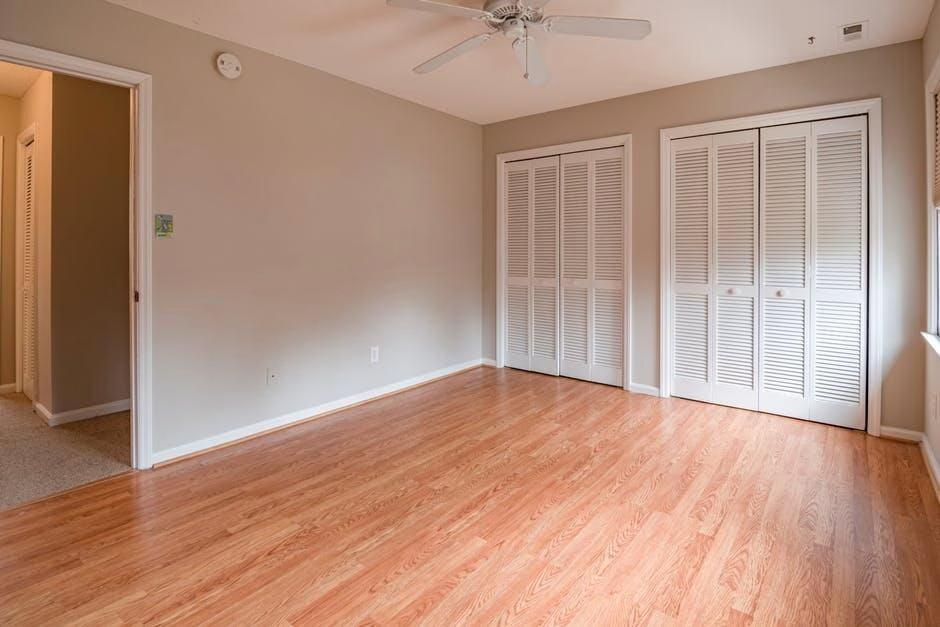
Choosing eco-friendly hardwood flooring helps homeowners protect natural resources and create clean living spaces. Traditional lumber cutting practices can stress forest lands and reduce tree cover across the world. Modern green options offer bright designs, high surface strength, and great long-term value. Selecting renewable products lowers waste and improves air quality inside your home.
Understanding Eco-Friendly Flooring Basics
Homeowners want beautiful floors that stay strong for many years. Preparing for a proper hardwood flooring installation requires careful attention to subfloor moisture levels. Good prep work guarantees your new boards remain flat and secure for decades.
Green building methods focus on smart resource use and low chemical waste. Eco-friendly flooring choices come from fast-growing plants or responsibly managed timber forests. Selecting renewable materials protects natural ecosystems and conserves valuable timber reserves.
Choosing green floors involves checking where companies harvest raw timber. Responsible timber teams replant trees to keep forest density high for decades. Wise harvesting methods preserve soil quality and protect nearby streams from harm.
Key Benefits of Sustainable Material Selection
Choosing eco-friendly materials reduces the carbon impact of your home project. Growing trees absorb carbon from the air and store carbon inside the wood planks. Selecting responsibly harvested wood keeps forest trees standing and protects wild animal habitats.
Renewable flooring choices minimize factory waste during board processing. Modern lumber mills convert leftover wood dust and chips into clean fuel or composite boards. Industry research shows that using certified wood products protects forests and lowers indoor volatile chemical levels[cite: 1].
Homeowners enjoy savings when picking durable green products. Strong timber choices stand up to daily activity without showing deep scuffs or surface wear. Long-lasting floors save money on frequent repairs and full floor replacements.
Top Renewable Wood and Fiber Options
Bamboo stands out as a top renewable option for home spaces. Studies show that bamboo reaches full harvest size in 3 to 5 years, compared to 50 years for classic oak trees. Cork is another great material since harvest teams peel bark without cutting down living trees.
Reclaimed lumber gives old factory beams and barn wood a new life. Data indicates that reclaimed hardwood prevents tons of demolition waste from entering city landfills each year. These salvaged boards bring unique charm, rich color tones, and warmth to modern rooms.
Fast-growing local softwoods offer another smart choice for green builders. Douglas fir and pine grow quickly on managed tree farms across North America. Proper surface seals give these softer woods high durability in everyday home spaces.
· Bamboo grows fast every year.
· Cork oak bark regrows naturally.
· Reclaimed timber saves old trees.
· Local oak reduces transport fuel.
Responsible Forestry Labels and Standards
Look for official stamps when shopping for green hardwood products. Official reports confirm that Forest Stewardship Council certification guarantees harvested trees get replaced or regenerate naturally[cite: 2]. Their stamp shows that timber workers harvest trees using safe methods.
Independent testing groups analyze chemical levels in finished floor planks. Testing programs like FloorScore track chemical fumes and indoor air quality impact. Buying certified wood planks protects your family from harsh vapors and synthetic dyes.
Look for non-profit seals that track whole supply chain steps. Certified suppliers track logs from the original forest site to the retail store. This checking guarantees full honesty and trust for eco-conscious home buyers.
Analyzing the Environmental Impact of Sourcing
Making solid hardwood planks uses raw energy and fresh water. Industry data shows that local timber sourcing cuts long-distance transport emissions by 40%. Buying regional oak or maple lowers transport emissions during home delivery.
Engineered hardwood planks feature thin natural wood tops over strong plywood cores. Building reports reveal that engineered hardwood uses up to 70% less slow-growing timber than solid hardwood planks. Mills make full use of every harvested log with minimal wood loss.
Local sourcing supports regional forest workers and small wood businesses. Buying American hardwoods supports strong national forestry laws and conservation rules. Wise domestic management keeps forests healthy for future generations.
Indoor Air Quality and Health Benefits
Standard wood glues and finish coatings release fumes into room air. Low-chemical glues and safe sealers keep indoor spaces clean for young children. Plant oils and water-based finishes replace harsh chemical sealers.
Research proves that water-based polyurethanes emit up to 90% fewer volatile organic compounds than solvent finishes. Cleaner indoor air reduces allergy problems and breathing strain for family members. Smooth hardwood surfaces do not trap dust, pollen, or pet hair like carpet fibers do.
Choosing natural sealers prevents fumes inside closed rooms during hot summer months. Natural oils sink deep into wood pores without making toxic vapors. Clean indoor air supports better sleep and daily comfort for everyone.
· Lower toxins improve air quality.
· Smart choices save home energy.
· Solid wood lasts many decades.
· Less waste enters local dumps.
Long-Term Durability and Financial Value
High-quality eco-friendly wood floors last 50 years or more with good care. Long floor life means fewer total floor replacements over decades of use. You save money on fixes and keep construction debris out of local dumps.
Dense wood types resist scratches, dents, and heavy hits from heavy furniture. Hard maple, hickory, and white oak handle high foot traffic in busy halls. Natural sealants block water spills and prevent surface stains on wood planks.
Buying real hardwood adds permanent cash value to your home property. Home buyers actively seek natural wood floors for their classic style and simple care. Green flooring keeps its high visual appeal through shifting home style trends.
Sustainable Maintenance and Refinishing Methods
Refinishing existing hardwood floors offers a green choice instead of full replacements. Industry guides state that refinishing existing hardwood costs significantly less and preserves existing wood timber. Homeowners save big money and keep working floor boards in active service.
Water-based protective coatings dry fast and produce low odor during work. Advanced dust-free sanding tools keep indoor air clear through the sanding job. Fresh safe finishes protect wood fibers against daily wear and scuff marks.
Smart Steps for a Greener Home
Upgrading your home with eco-friendly hardwood creates a healthy, elegant living space. Sourcing renewable planks protects natural forests and cuts environmental waste. Thoughtful material choices deliver a durable floor that brings lasting comfort for decades. Buying green wood flooring delivers lasting value and supports responsible environmental care. Selecting smart home materials keeps your interior space safe, clean, and beautiful for your family.
If you’d like to learn more, check out more articles on our blog.