As seasonal weather shifts demand higher energy output, homeowners are adopting preventive heating strategies to control utility expenses and boost comfort.
When cold weather arrives, sharp outdoor temperature drops place heavy strain on your heating system. You need steady warmth indoors, but an unprepared furnace consumes excess power while struggling to keep your living spaces comfortable.
Taking control of seasonal transitions protects your home against sudden performance drops. Smart preparation keeps your equipment running smoothly, lowers operational costs, and delivers dependable comfort throughout harsh winter months.
Why Do Heating Systems Lose Efficiency During Seasonal Shifts?
Heating equipment develops performance problems long before complete mechanical failure occurs. You might notice subtle temperature swings across different rooms, indicating that your distribution ducts struggle to balance thermal output. When a furnace cycles on and off repeatedly within short intervals, internal components work harder than necessary, driving monthly fuel bills steadily upward.
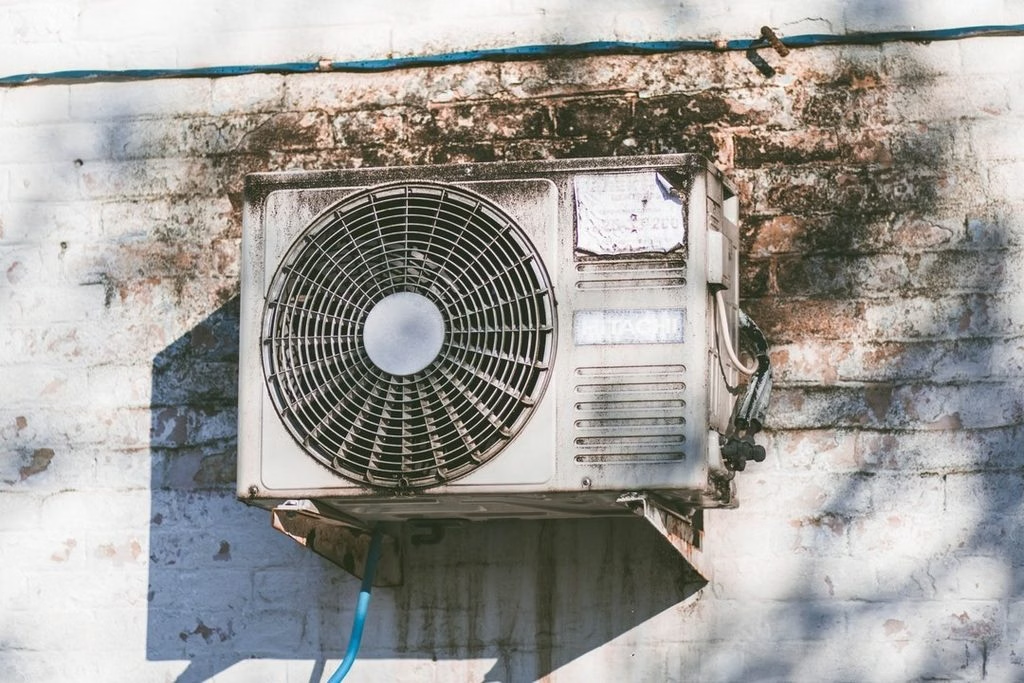
Strange noises like rattling or whistling point toward loose blower belts or restricted airflow within the ductwork. If you notice dust accumulating near your supply registers or sense dry, stale air throughout your rooms, internal components are likely clogged. Paying attention to these early warning signs allows you to address minor mechanical wear before severe cold weather forces an unexpected system breakdown.
What Inspection Standards Protect Equipment Longevity?
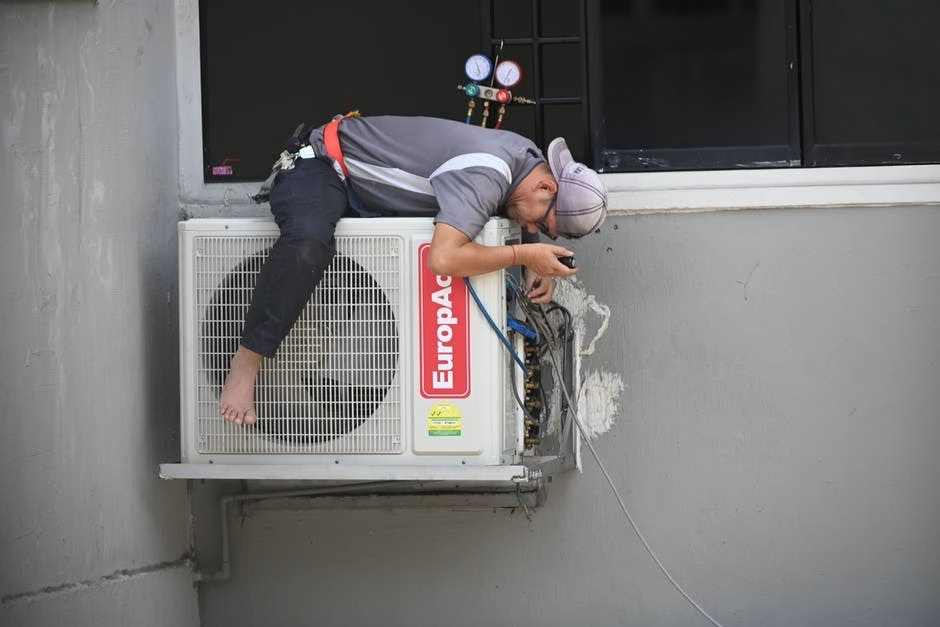
Professional heating tune-ups follow rigorous technical benchmarks to preserve system health. Certified technicians like First Call Jewel provide the detailed oversight your home requires. Their technical diagnostics catch small cracks and electrical issues before components cause catastrophic system shutdowns. Regular tune-ups keep your living space warm while reducing unnecessary energy consumption.
Routine upkeep centers on scheduled air filter changes between professional service visits. Dense layers of trapped debris restrict airflow, forcing the blower motor to draw excessive electrical current. Swapping filters every 30 to 60 days maintains clean airflow and protects sensitive components from overheating.
Inspecting Electrical and Mechanical Components
A certified technician completes four fundamental steps during an annual maintenance call:
- Inspect ignition controls: Technicians examine flame sensors and pilot assemblies to prevent erratic heating cycles.
- Test safety shutoffs: Specialists verify high-limit switches to protect heating units against hazardous overheating.
- Calibrate smart thermostats: Professionals sync digital controls with indoor sensors to eliminate temperature drift.
- Replace dirty filters: Technicians install fresh media to maintain steady airflow and reduce blower strain.
How Do Modern Heat Pumps Lower Seasonal Utility Bills?
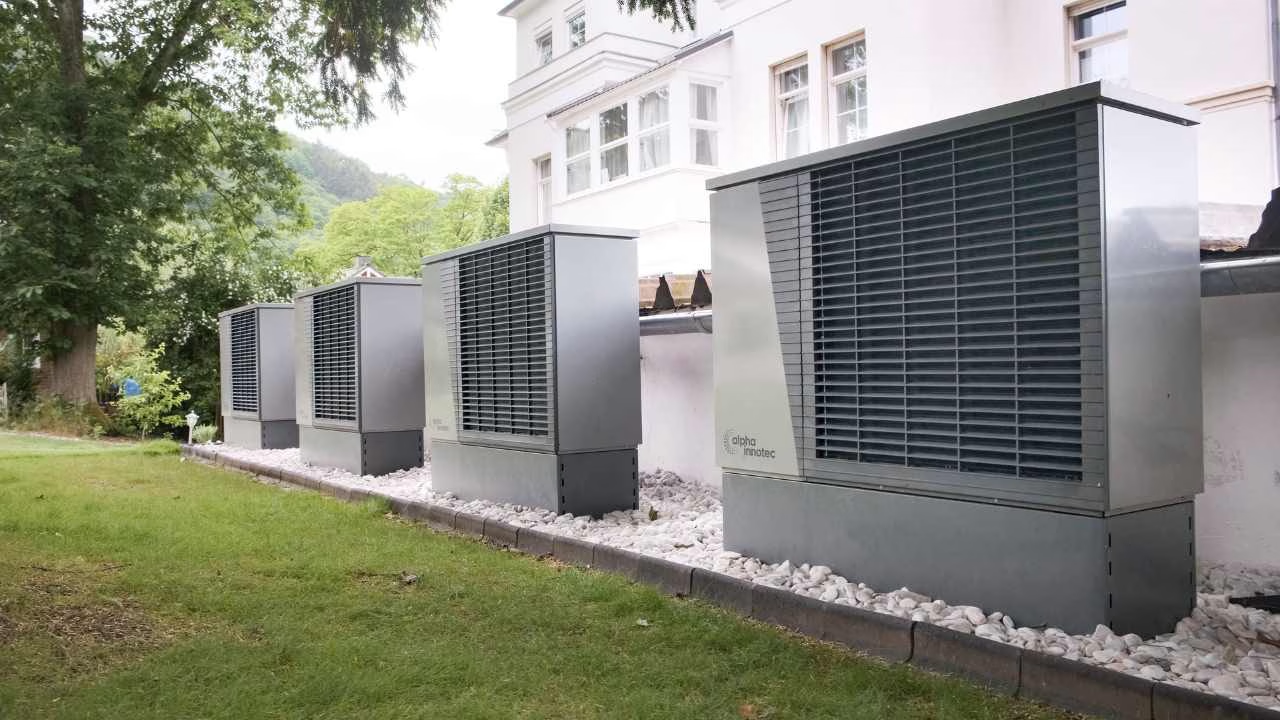
Switching to advanced heat pump technology provides an effective upgrade path for modern residential floor plans. Heat pumps transfer thermal energy from outside air straight into your home. Calculations published by the Federal Energy Management Program reveal that selecting top-tier heat pump units can generate lifetime utility savings exceeding $5,200 compared to baseline alternatives.
Ducted heat pumps connect to existing duct networks, distributing consistent warmth through whole-house configurations. Ductless mini-split systems offer targeted zone control, giving you independent thermostats for bedrooms, living areas, or converted basements. Both options minimize winter heat loss while lowering your monthly utility expenses. Modern configurations deliver steady warmth during chilly mornings without triggering steep electrical surges.
How Can You Plan Proactive Upgrades for Long-Term Comfort?
Upgrading older equipment calls for careful sizing based on square footage, insulation ratings, and local climate conditions. Oversized units cycle too quickly, leaving chilly drafts behind, while undersized units run continuously without reaching your desired thermostat setpoint.
Consulting qualified heating specialists guarantees proper heat-load calculations before you invest in new equipment. Planned equipment replacements eliminate the stress of emergency purchasing decisions when an aging furnace fails unexpectedly during winter.
Investing in preventive care and timely equipment upgrades shields your household against unpredictable heating bills. Partnering with seasoned regional HVAC specialists gives you dependable guidance for routine furnace servicing and modern system replacements. Schedule your seasonal heating inspection to secure reliable comfort, lower utility bills, and steady efficiency for every winter ahead.