Managing a commercial location involves far more than basic cleaning routines and surface touch-ups. Large facilities face constant physical demands that residential properties never experience.
Commercial spaces accommodate hundreds of workers, clients, and heavy equipment throughout operating hours. Dedicated attention helps property owners prevent costly structural issues before daily business operations suffer.
Higher Foot Traffic and Heavy Daily Usage
Commercial facilities face unrelenting daily activity from employees, delivery crews, and daily visitors. Heavy foot traffic wears down floor surfaces, entrance doors, and structural support areas at a rapid pace.
Constant movement creates unique physical stresses on every part of a facility. Tailored maintenance plans for commercial properties help protect heavy-duty infrastructure against severe physical degradation. Property managers prevent unexpected operational shutdowns by addressing these wear patterns early.
Ignoring minor surface damage allows small cracks to spread across walkways and primary access zones. Early intervention preserves safety and keeps the building looking clean and professional for prospective clients.
Large Scale Structural Systems and Complex Infrastructure
Commercial facilities feature massive mechanical frameworks, complex electrical networks, and expansive exterior facades. These large-scale installations demand specialized equipment and trained personnel to access and inspect properly.
A market analysis indicated that dedicated building maintenance units account for 26% to 28% of global expenditure on exterior access equipment. Spending on these specialized platforms highlights the massive effort required to inspect high-rise walls safely. Skipping routine checks on complex structures risks leaving hidden structural defects unnoticed until major failures occur.
Engineers must monitor structural loading limits and load-bearing walls on a rigid calendar schedule. Consistent evaluation keeps complex architectural features functioning smoothly and reliably year after year.
Preventive Action Against Severe Environmental Wear
Weather extremes take a heavy toll on commercial exteriors through continuous sun exposure, high winds, and freezing precipitation. Expansive flat roofs and multi-story outer walls endure perpetual climate stress throughout every season.
An industry report noted that preventive building maintenance focuses on spotting potential issues before they become major problems, keeping properties functional and prepared for daily operations. Timely inspections catch minor water intrusion before moisture rots internal structural frames. Small repairs completed today protect the structure against expensive structural fixes down the road.
Seasonal shifts demand proactive seal adjustments, gutter clearing, and protective exterior coatings. Shielding outer layers stops moisture from penetrating core building materials and creating structural decay.
Expanding Roofing and Exterior Material Demands
Roofing systems represent one of the primary structural components of any commercial facility. Modern roofing materials require specialized installation techniques, regular cleaning, and continuous physical monitoring.
A trade study showed that commercial roofing materials represent a $14.2 billion market by 2026, growing at 6.1% annually. Rapid expansion in high-tech material options means facility managers must select solutions carefully. Specialized care guarantees these advanced materials deliver full thermal protection and long service life.
Routine roof monitoring focuses on key structural components to extend total system lifespan:
- Drainage channels and gutter systems
- Membrane seams and flashing seals
- Rooftop equipment mounts and access points
Careful attention to these vulnerable components minimizes emergency service calls. Regular maintenance prolongs roof reliability and prevents sudden interior damage. Proactive roof management keeps repair budgets predictable for financial planning.
Safety Standards and Municipal Building Code Compliance
Commercial properties must comply with strict municipal building codes and regional safety regulations. Government agencies mandate regular safety inspections for fire suppression systems, emergency exits, and structural walkways.
Non-compliance brings severe penalties, including steep fines or forced business closures during peak hours. Property owners who maintain thorough service records easily demonstrate compliance during surprise safety audits. This is particularly important when maintaining commercial construction equipment, as regular inspections and documented upkeep can help identify potential safety issues before they become serious problems. Detailed documentation proves that safety equipment receives routine care.
Safe environments protect workers and visitors against preventable workplace accidents. Regular physical checks keep fire doors, stairwells, and emergency lighting fully operational at all times.
Protection of High Financial Asset Value
Commercial real estate investments represent millions of dollars in capital assets for property owners. Building values depend directly on physical condition, structural integrity, and occupant satisfaction.
Neglected facilities lose market value rapidly compared to well-maintained commercial spaces nearby. Quality business tenants demand high operational standards before signing long-term commercial leases. Retaining top tenants stabilizes property revenue for long periods.
Regular structural repairs and system updates preserve equity for property owners. Consistent physical care turns real estate holdings into reliable, long-term revenue streams that grow each year.
Long-Term Utility and Energy Cost Reduction
Energy efficiency relies on well-maintained building envelopes and modern insulation systems. Leaky roof membranes, faulty window seals, and worn mechanical units drive utility bills upward quickly.
Small thermal leaks force heating and cooling equipment to run continuously throughout the workday. Sealing air gaps and updating exterior insulation keeps interior temperatures stable and comfortable. Consistent climate control reduces mechanical wear on heating systems.
Lowering monthly operational expenses boosts total profit margins for business owners. Smart upkeep strategies generate measurable financial returns through lower utility expenses.
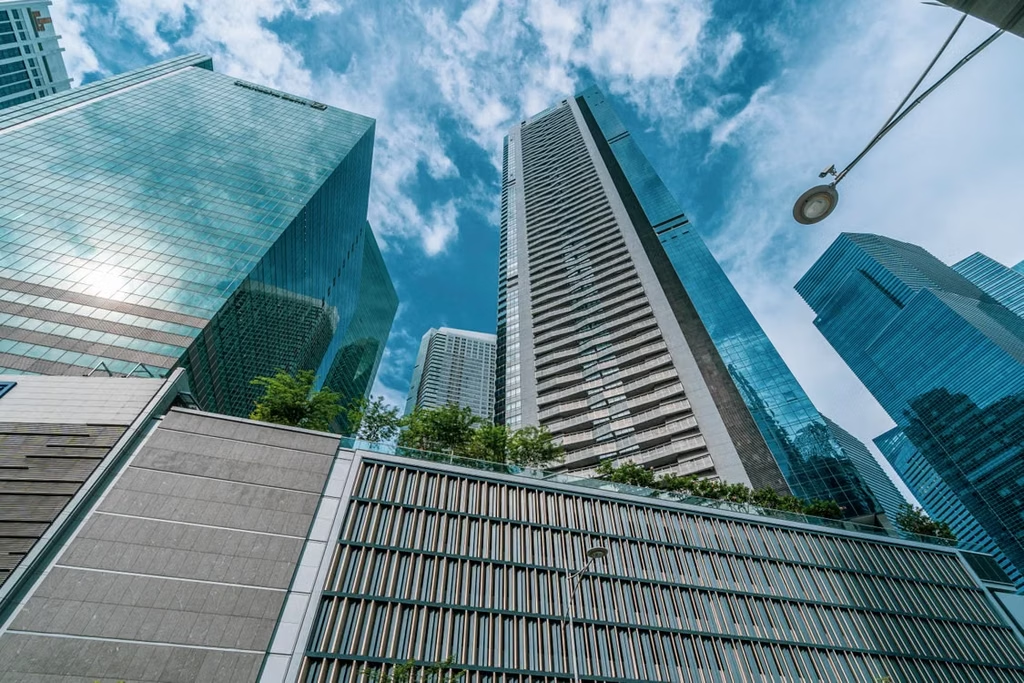
Taking extra care of commercial facilities safeguards structural integrity and preserves long-term asset value. Proactive management stops small physical flaws from morphing into crippling capital expenses.
Consistent oversight creates safe, comfortable spaces for occupants and visitors every day. Smart facility maintenance remains the foundation of successful property management.