Ipatiev House: The Real History, The Basement, And What Stands There Today


I write about homes for a living. Most of the time, that means kitchens, gardens, and the little design choices that make a house feel alive. The Ipatiev House is different. It is one of the most important buildings in modern history, and it no longer exists.
This is not a celebrity home tour. It is the true story of a house in Yekaterinburg, Russia, where the last Russian royal family spent their final weeks. I am covering it here at urbansfreaks because so many readers search for it, and most articles leave out the full picture.
Ipatiev House Snapshot
| Feature | Details |
|---|---|
| Location | Yekaterinburg, Russia |
| Built | Late 1880s |
| Original Owner | Nikolai Ipatiev, military engineer |
| Used As | “House of Special Purpose,” Romanov imprisonment site |
| Family Held | July–August 1918 (roughly 78 days) |
| Demolished | September 1977 |
| Ordered By | Boris Yeltsin, on Politburo instruction |
| What Stands There Now | Church on the Blood |
| Architectural Style | Late 19th-century Russian merchant house |
Ipatiev House Location In Yekaterinburg
The Ipatiev House stood in central Yekaterinburg, a major industrial city in the Ural Mountains region of Russia. It sat on a hill known locally as Voznesensky Prospekt. The location put the family close to the city center, but under constant watch, since it had been chosen specifically for tight Bolshevik control.
Researching The Ipatiev House Site
As Todd Lynch from Urbansfreaks, I have spent years studying historic architecture, and few lost homes carry as much significance as this one. By carefully reviewing verified historical records, archival material, and period photographs, I was able to reconstruct a clear understanding of its design and legacy.
Since the building no longer exists, there is no personal tour to share. Instead, I believe presenting an accurate, well-researched account is the most respectful way to preserve its remarkable story.
The Exterior Architecture Of The Ipatiev House
The Ipatiev House was a solid, two-story stone and stucco building, typical of a wealthy Russian merchant home from the late 1800s. It had a rectangular shape, small balconies, and tall rectangular windows. The roof was simple and pitched, without ornate detailing.
Once the Bolsheviks took control, the exterior changed completely. A high wooden palisade fence went up around the property, blocking all outside sightlines. Windows were painted over or boarded. What had been a respectable merchant’s residence became a guarded, closed-off compound almost overnight.
Inside The Ipatiev House: Interior and Other Features
Confined upstairs, the Romanovs lived behind whitewashed windows with simple furnishings, basic meals, constant guards, and little comfort, awaiting an uncertain fate.
Entrance
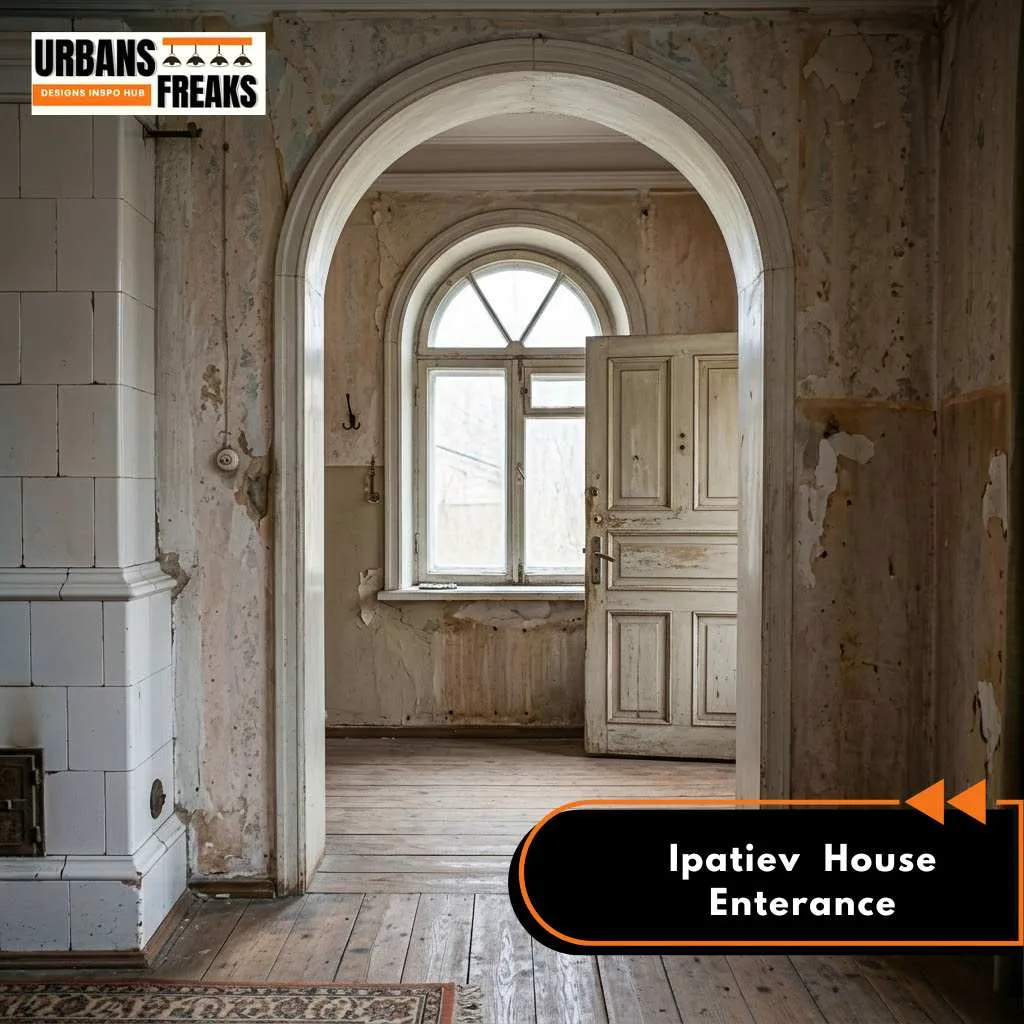
By the time the family arrived, the entrance had lost any welcoming quality. Guards checked everyone passing through. Heavy security replaced what was once a simple merchant home’s doorway. There was no grand arrival, only a quiet, closely watched entry into a house that now functioned as a guarded holding site rather than a residence.
Living Space
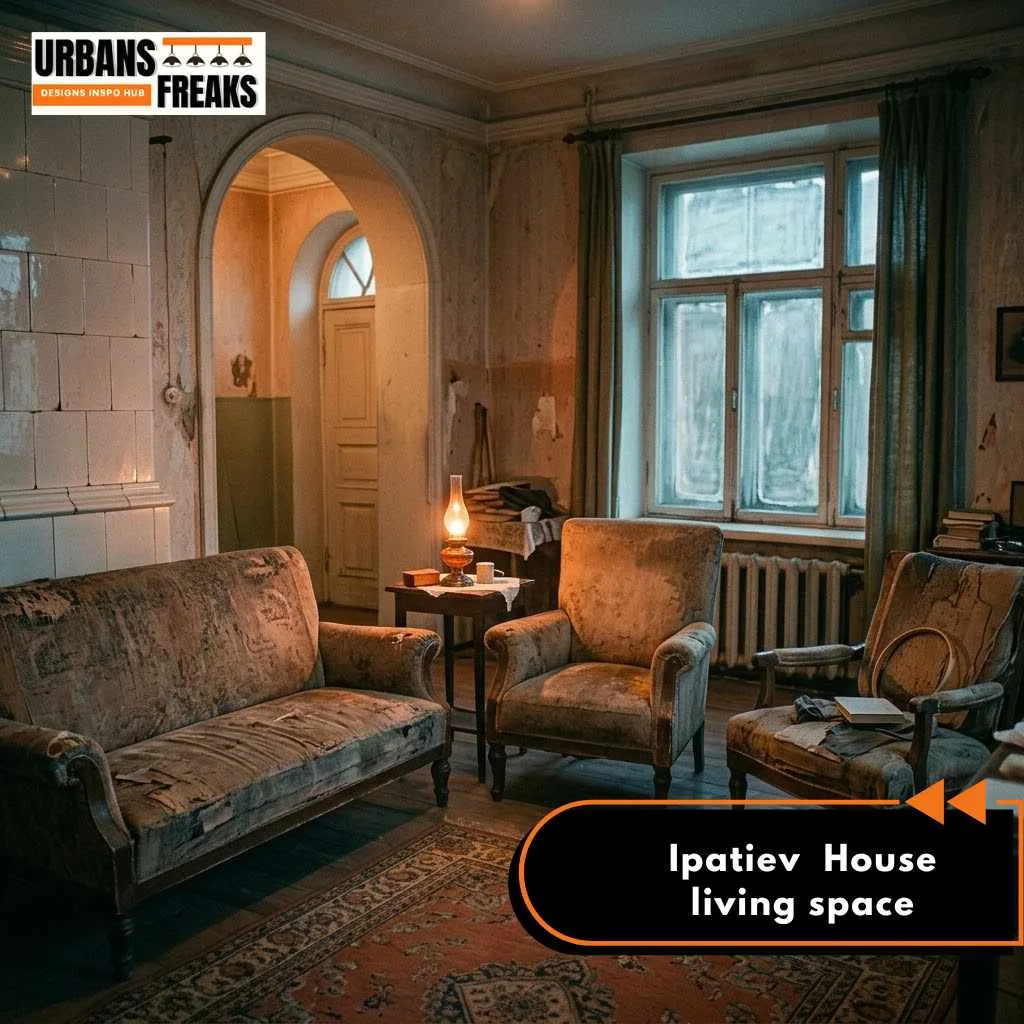
There was no formal living room by the time the family arrived. The upper floor’s main room served as a shared living space, where the family read, prayed, and passed long hours together. Guards stayed nearby at all times. Nicholas often read aloud to his children in the evenings, one of the few normal routines left to them inside the house.
Bedroom Arrangements
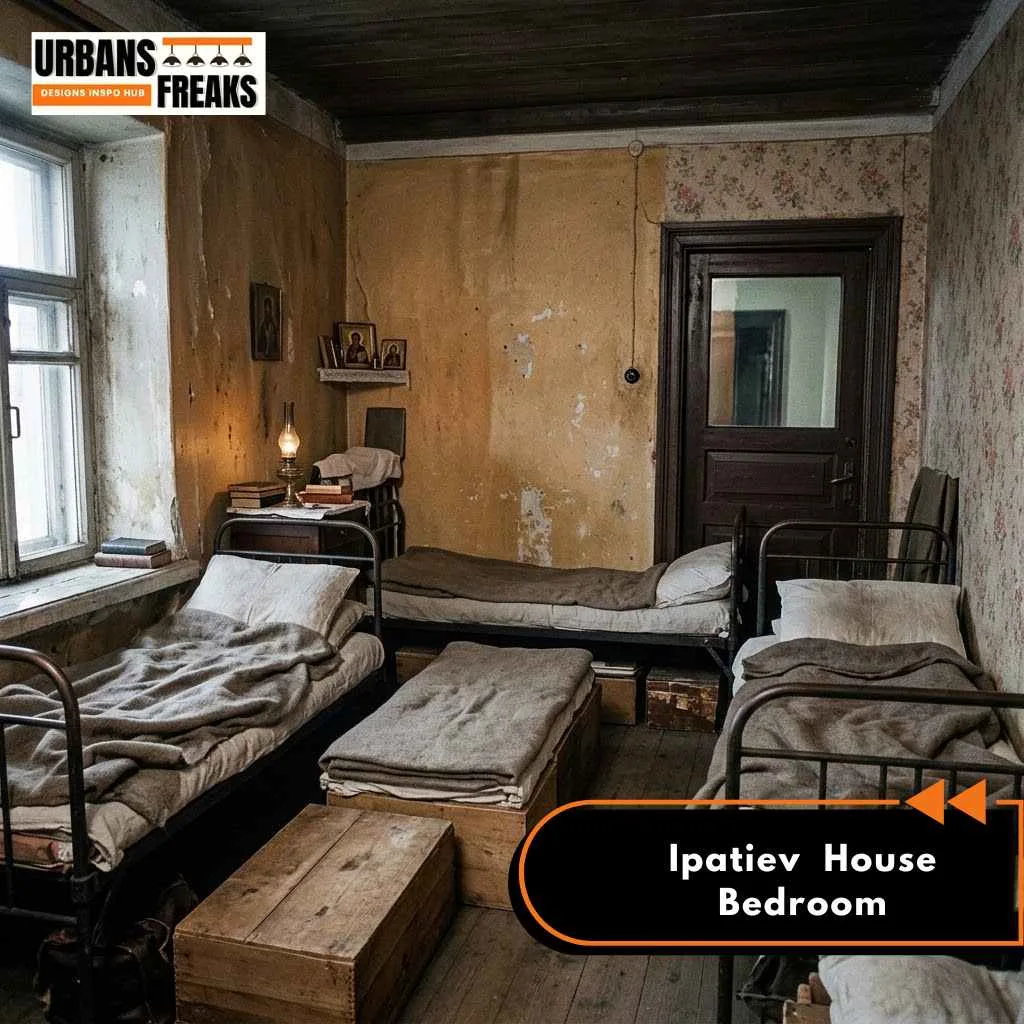
The Romanovs shared a small cluster of upper rooms, not separate bedrooms suited to a family of seven. Alexandra and the ailing Alexei often shared one room. The four daughters shared another, sleeping on camp beds brought in for their stay. Space was tight, and privacy was almost nonexistent under constant guard supervision.
Bathroom Conditions
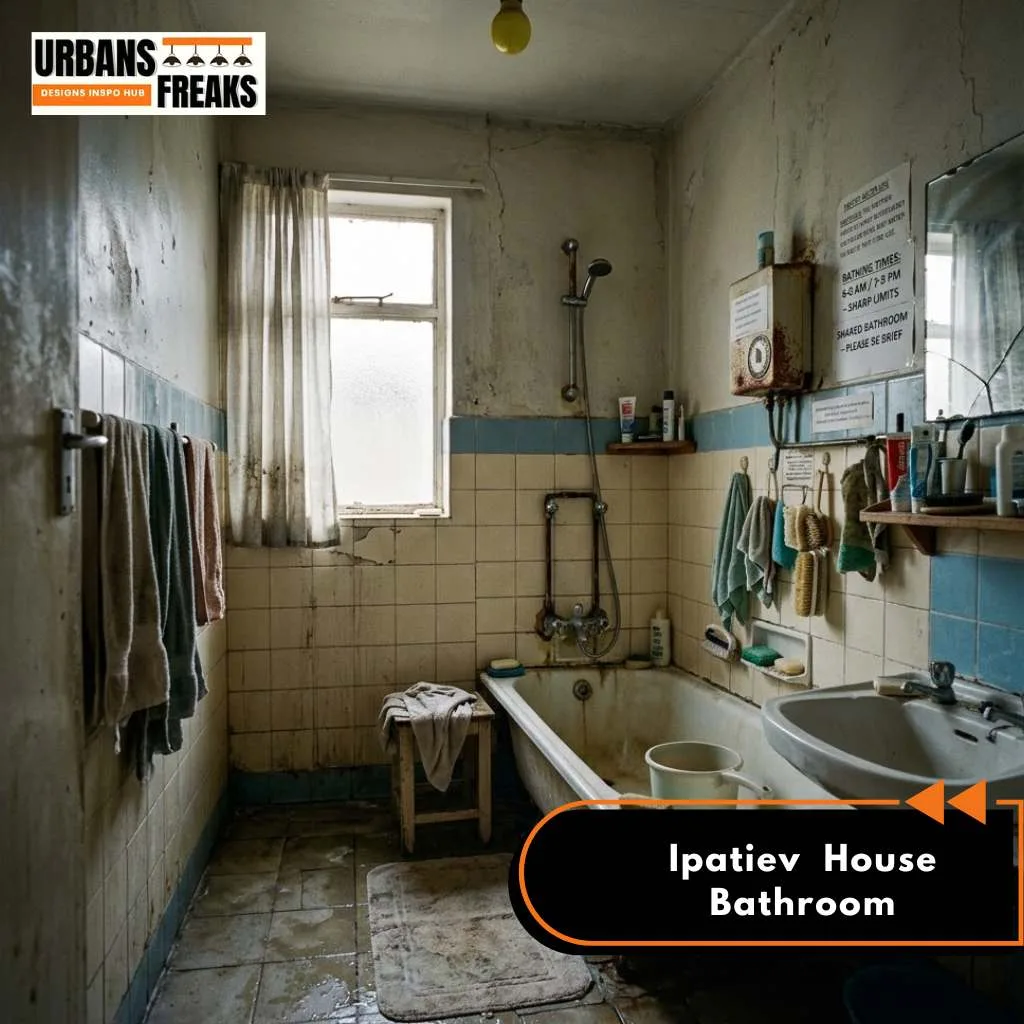
The house had one bathroom available to the family, modest by any standard and shared among all seven members plus staff. Hot water was limited. Guards restricted bathing times. For a family raised in palaces with private bathing suites, this was one of the sharpest daily reminders of how completely their circumstances had changed.
Kitchen And Meals
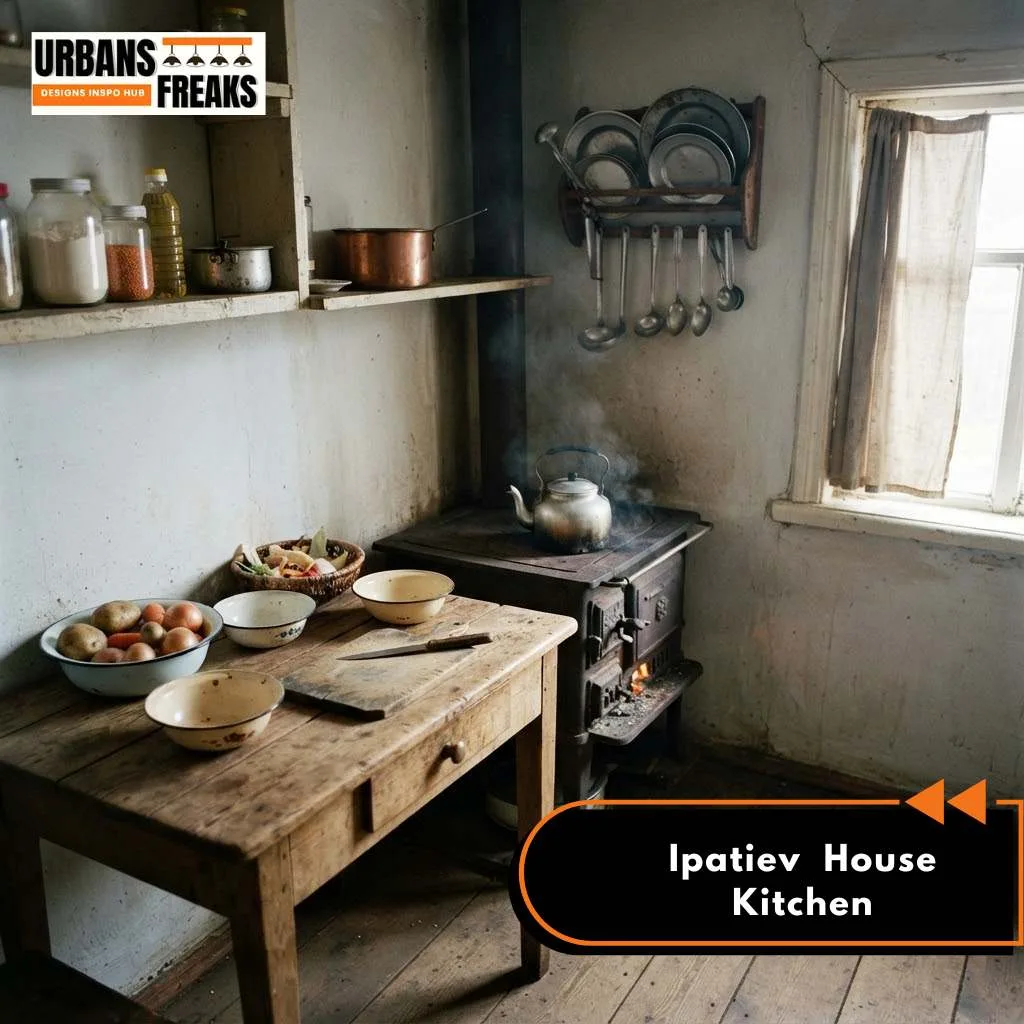
Meals were prepared simply, often by the family’s own remaining kitchen staff, using whatever ingredients guards allowed inside. There was no formal dining room left for them. Food quality dropped noticeably compared to their previous life. Reports describe basic, repetitive meals, a stark contrast to the elaborate dinners once served at the imperial palaces.
Outdoor Space
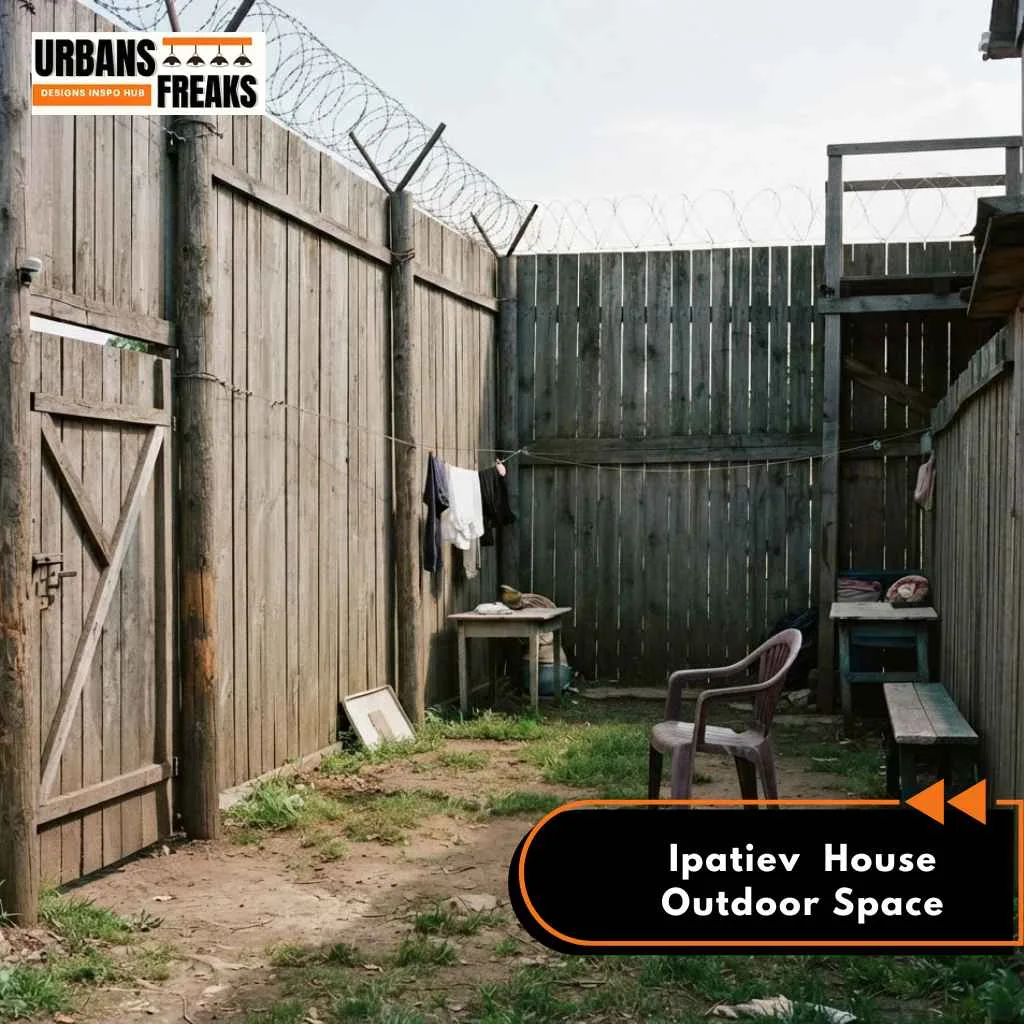
The property had a small enclosed yard, boxed in by the tall wooden fence built after the takeover. The family was allowed brief periods outside daily, always supervised. It offered fresh air but no real freedom. Even this limited outdoor time was tightly timed and closely watched by the guards stationed around the perimeter.
The Basement Of The Ipatiev House
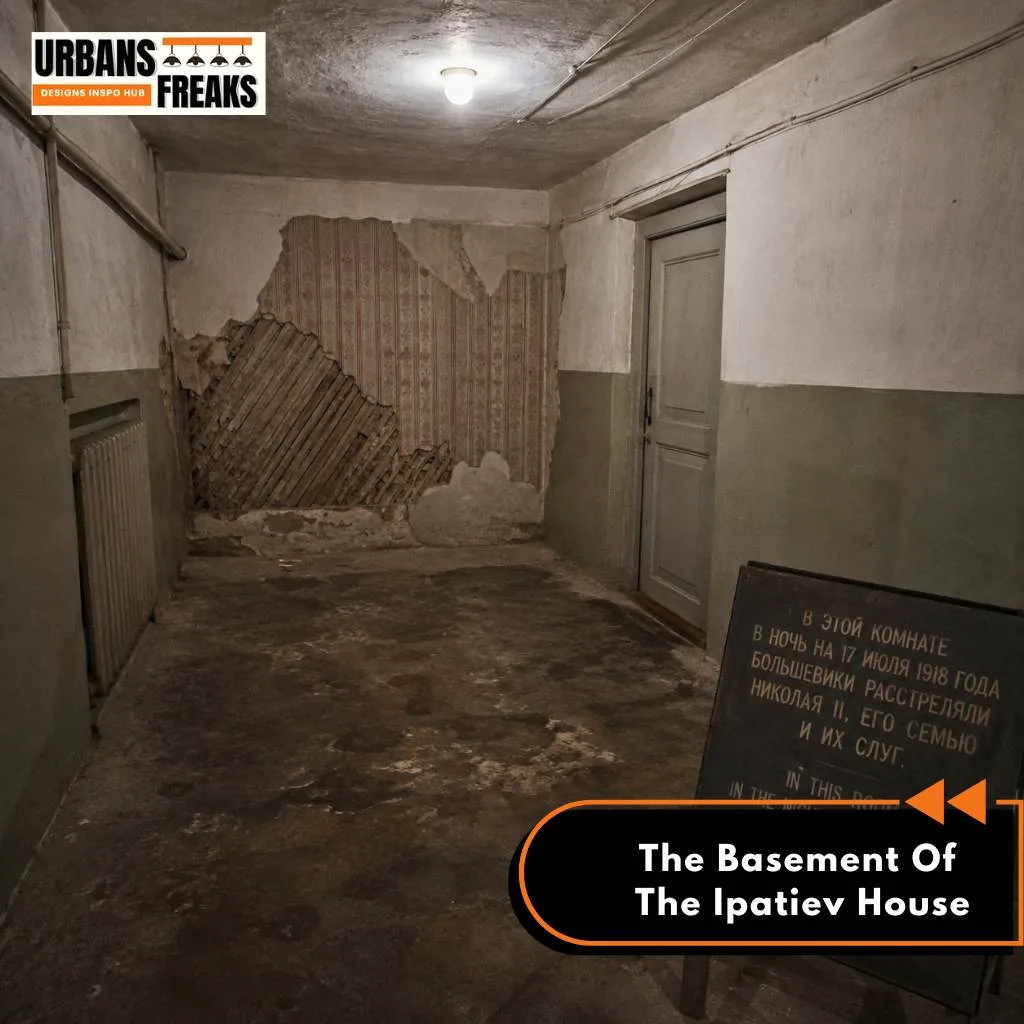
The Ipatiev House basement is the reason this building is remembered worldwide. In the early hours of July 17, 1918, Tsar Nicholas II, his wife Alexandra, their five children, and four loyal staff members were led into a small basement room and executed by Bolshevik guards under Yakov Yurovsky.
The room was chosen because it had no windows and one entrance, making it easy to control. What happened there ended the three-hundred-year Romanov dynasty and remains one of the defining events of the Russian Revolution.
Why The Ipatiev House Was Demolished
By the 1970s, the house had quietly become a pilgrimage site. People traveled to see it, despite Soviet discouragement. Local officials grew concerned this attention undermined state messaging around the revolution.
In September 1977, on instruction from Moscow, regional leader Boris Yeltsin ordered the Ipatiev House demolished. Bulldozers leveled it within days. Yeltsin later said he regretted the decision, calling it something history would eventually judge harshly.
Ipatiev House Today
The Ipatiev House no longer stands, but the site is far from forgotten. In 2003, the Church on the Blood was built directly on the location. It honors Nicholas II and his family, who were later canonized as saints by the Russian Orthodox Church.
Today, visitors travel to Yekaterinburg specifically to see this church. It has become one of the city’s most visited landmarks, drawing people interested in Russian history, religious pilgrimage, and the story of the last imperial family.

Ipatiev House In Popular Culture
Interest in the Ipatiev House has never faded. It has appeared in documentaries, history channels, and dramatized retellings of the Romanov story. Netflix’s The Crown named an entire episode “Ipatiev House,” using it to explore the family’s fate and its lasting effect on European royal history.
Photo archives, including collections on Getty Images, continue to circulate historical images of the house and family. Discussion threads on Reddit, including detailed historical breakdowns in communities like r/HistoryPorn, keep the story active among people discovering it for the first time.
How The Ipatiev House Compares To Other Historical Sites
Few buildings carry the same historical weight as the Ipatiev House. Places like the Tower of London or the Bastille in Paris share a similar role, sites tied to the fall of a ruling power. But the Ipatiev House stands apart because the building itself was erased, leaving only a memorial in its place.
That absence is part of what makes it so widely searched. There is no structure left to visit, only the story and the church built in remembrance, which makes accurate information about the original house even more valuable to readers.
Frequently Asked Questions About Ipatiev House
Where was the Ipatiev House located?
The Ipatiev House stood in Yekaterinburg, Russia, a city in the Ural Mountains region. — via Reddit
Does the Ipatiev House still exist today?
No. It was demolished in September 1977. The Church on the Blood now stands on the original site.
What happened in the Ipatiev House basement?
The Romanov family and four staff members were executed there on July 17, 1918.
Why is it called the Ipatiev House?
It was named after its original owner, Nikolai Ipatiev, a retired military engineer who sold the home to local authorities shortly before it was taken over.
Is the Ipatiev House connected to The Crown?
Yes. Netflix’s The Crown features an episode titled “Ipatiev House,” centered on the Romanov family’s fate.
Final Thoughts
The Ipatiev House is not a home you can walk through, but it is a story worth understanding fully. It marks the end of one of history’s most powerful families and the start of a new era in Russia.For readers who want the full documented history, the Wikipedia entry on the Ipatiev House and the archives at tsarnicholas.org remain two of the most detailed sources available.
At urbansfreaks, we usually cover homes people dream of living in. This one is different. It reminds us that buildings carry history far beyond their walls, and some stories matter more than any home decor detail ever could.